Painting styles shape how we see and experience art. Each style tells a different story through unique techniques and approaches.
Realism captures life exactly as it appears. Impressionism celebrates light and fleeting moments. Abstract art explores pure emotion and form.
Butpainting styles aren’t just for museums. They influence home decor, personal expression, and business branding.
Understanding different painting styles helps you make better decorating choices. Whether you’re buying art, commissioning pieces, or creating your own work, this knowledge matters.
Popular Painting Styles Made Practical
Each painting style offers unique ways to enhance your living spaces. Understanding their features helps you make informed choices. Let’s explore some popular styles.
1. Realism: Capturing Life as It Is
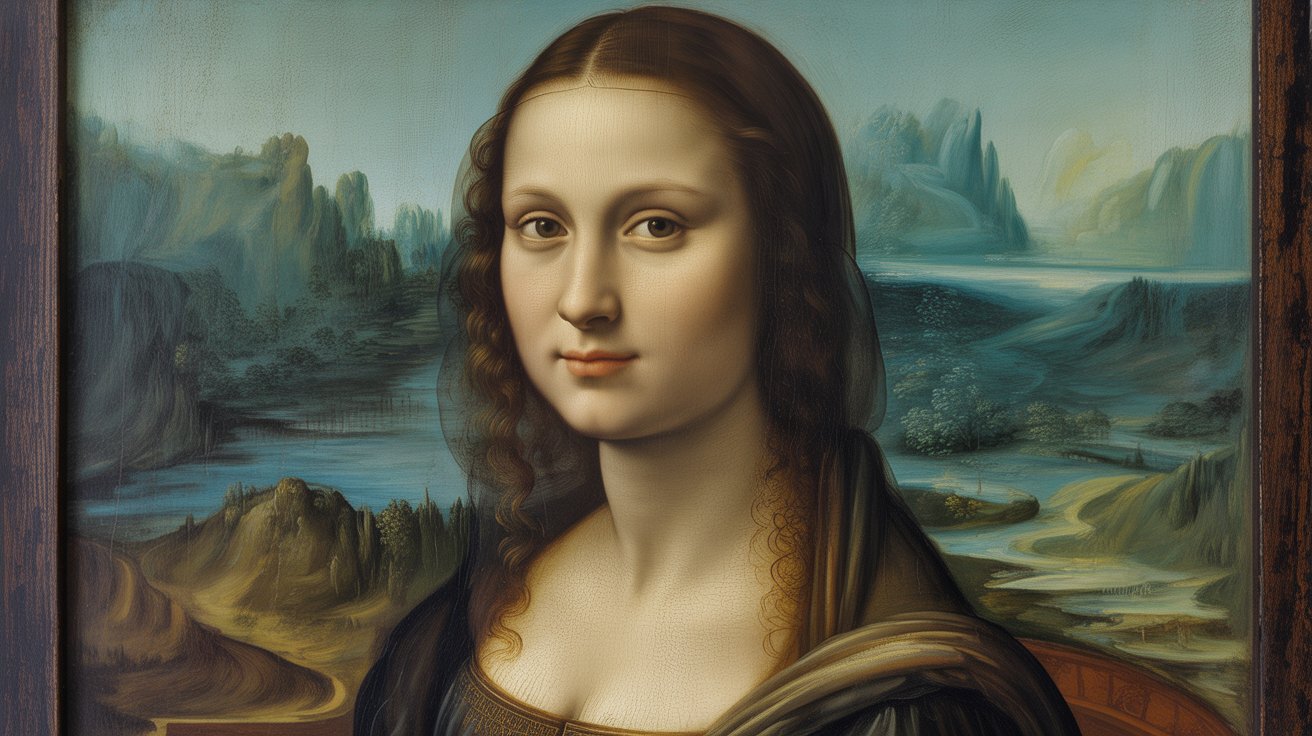
Realism portrays subjects exactly as they appear in real life. Every detail matters, from facial expressions to fabric textures.
Key features: Detailed brushwork creates life-like images. Artists focus on accurate proportions, lighting, and perspective. The goal is to mirror reality as closely as possible.
Famous artists:Leonardo da Vincimastered realistic human anatomy in works like the Mona Lisa. Rembrandt brought drama through light and shadow in his portraits.
Practical use: Realistic paintings work perfectly in traditional homes. Family portraits add personal touches to living rooms. Landscape paintings bring nature indoors.
Pro Tip: Balance realistic art with simpler decor. A detailed portrait becomes a focal point when surrounded by neutral walls and minimal furniture.
2. Impressionism: Light, Color, and Moment
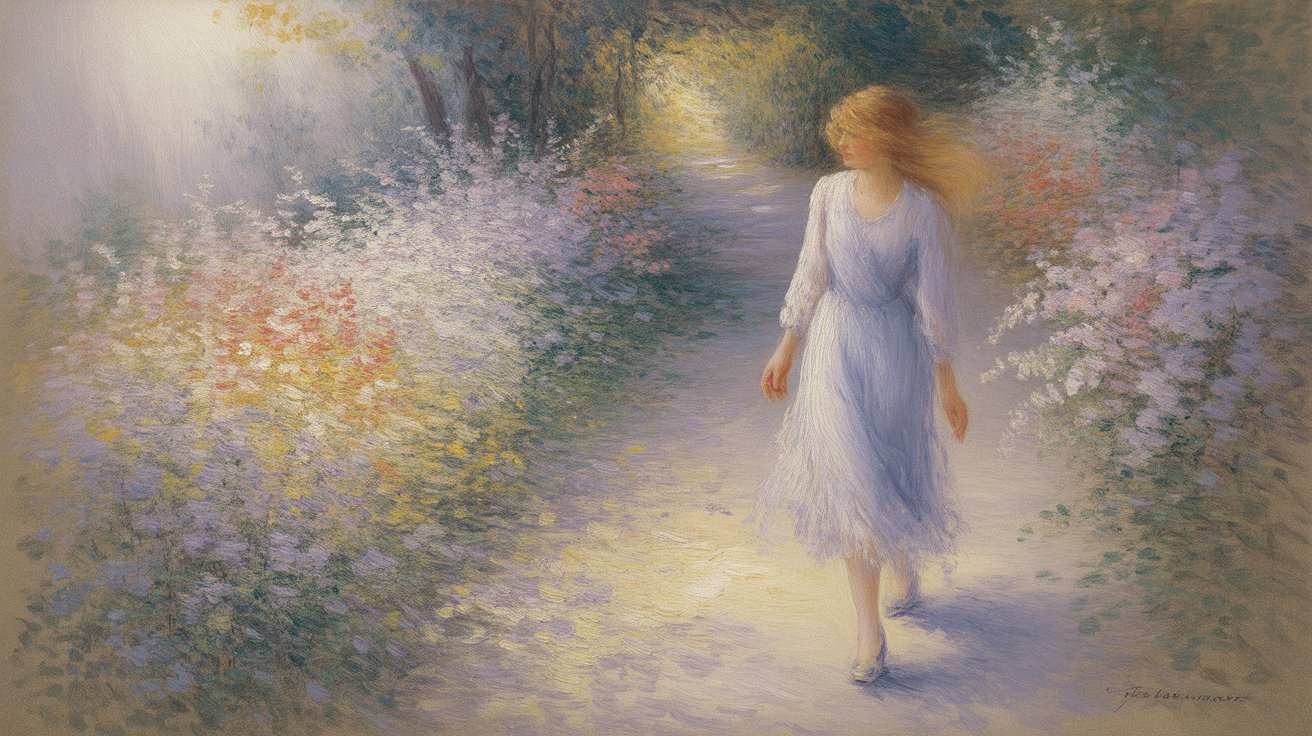
Impressionism captures fleeting moments through loose brushstrokes and vibrant colors. Artists paint their impression of a scene rather than exact details.
Key features: Visible brush strokes create texture and movement. Artists emphasize natural light and how it changes throughout the day. Colors appear brighter and more vivid than in traditional paintings.
Famous artists:Claude Monet painted water lilies and haystacks in different lighting conditions. Edgar Degas captured ballet dancers in motion with soft, blurred edges.
Practical use: Impressionist art adds warmth to living rooms and dining areas. The soft colors create inviting atmospheres in cafes and waiting rooms.
Pro Tip:Hang impressionist pieces where natural light hits them. The changing daylight mimics how impressionists originally viewed their subjects.
3. Abstract Art: The Beauty of Imagination
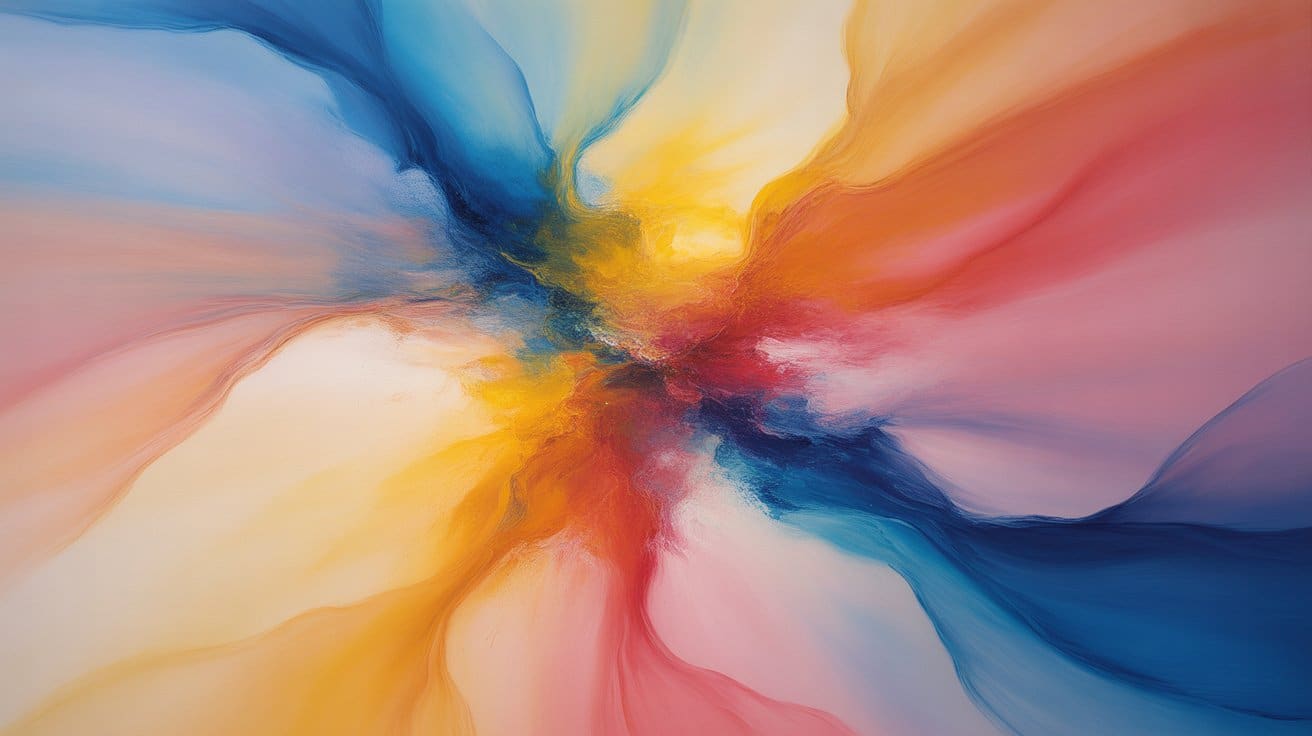
Abstract art moves away from realistic representation. It uses shapes, colors, and forms to express ideas and emotions without depicting recognizable objects.
Key features:Non-representational forms that don’t look like real things. Bold colors and dynamic compositions. Focus on visual elements like line, shape, and texture rather than subject matter.
Famous artists:Wassily Kandinsky created geometric abstractions with spiritual meanings. Jackson Pollock developed drip painting techniques that emphasized spontaneous expression.
Practical use:Abstract pieces add modern sophistication to contemporary offices. They complement minimalist home designs without overwhelming the space.
Pro Tip:Choose abstract art with colors that match your existing palette. A large abstract piece works as a statement wall in an otherwise simple room.
4. Surrealism: Where Dreams Meet Reality
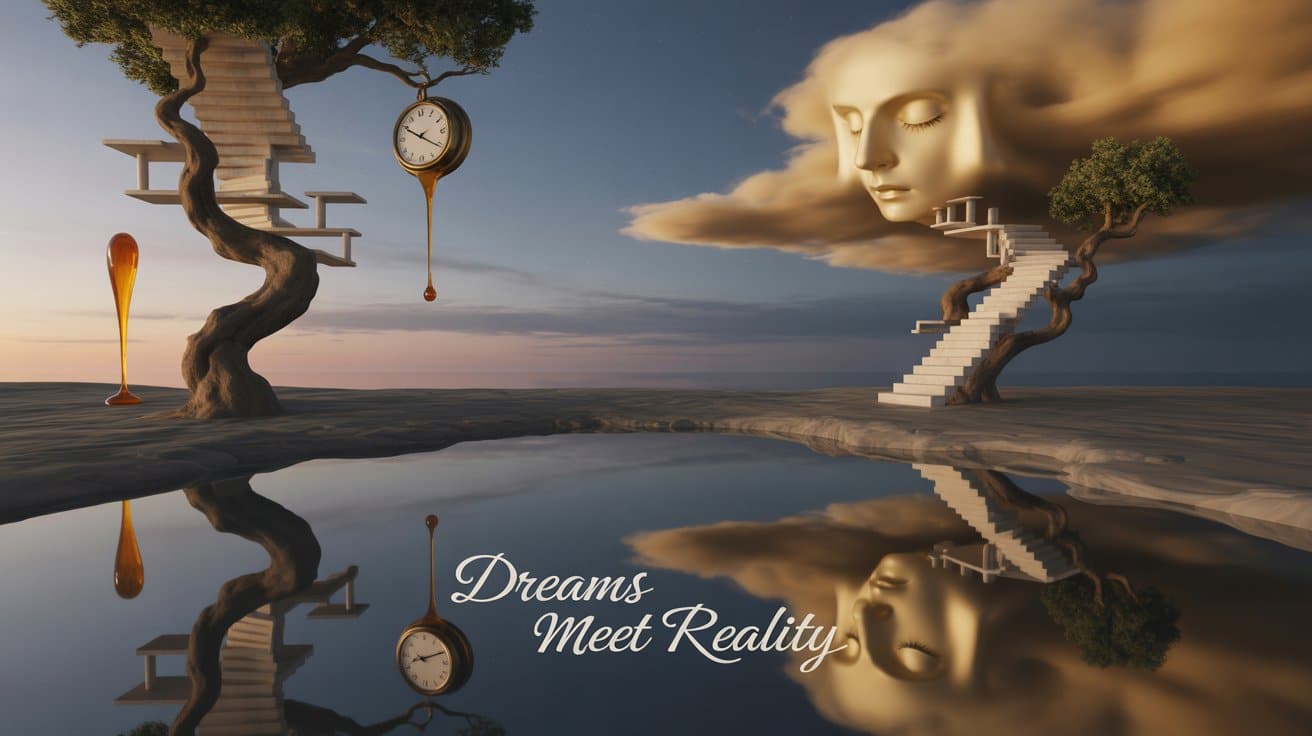
Surrealism blends realistic painting techniques with impossible, dreamlike scenarios. The familiar becomes strange and thought-provoking.
Key features:Dreamlike imagery combines everyday objects in unusual ways. Subconscious themes explore hidden meanings and symbolism. Technical skill creates realistic details within fantastical scenes.
Famous artists:Salvador Dalí painted melting clocks and distorted figures in desert landscapes. René Magritte challenged perceptions by placing ordinary objects in extraordinary contexts.
Practical use:Surrealist art makes bold statements in bedrooms and personal spaces. It sparks conversation in creative studios and gallery walls. These pieces work best where you want to inspire curiosity and imagination.
Pro Tip:Use surrealist art as a focal point in eclectic room designs. The unusual imagery draws the eye and becomes a conversation starter. Balance the strangeness with comfortable and familiar furniture.
5. Pop Art: Everyday Objects as Art
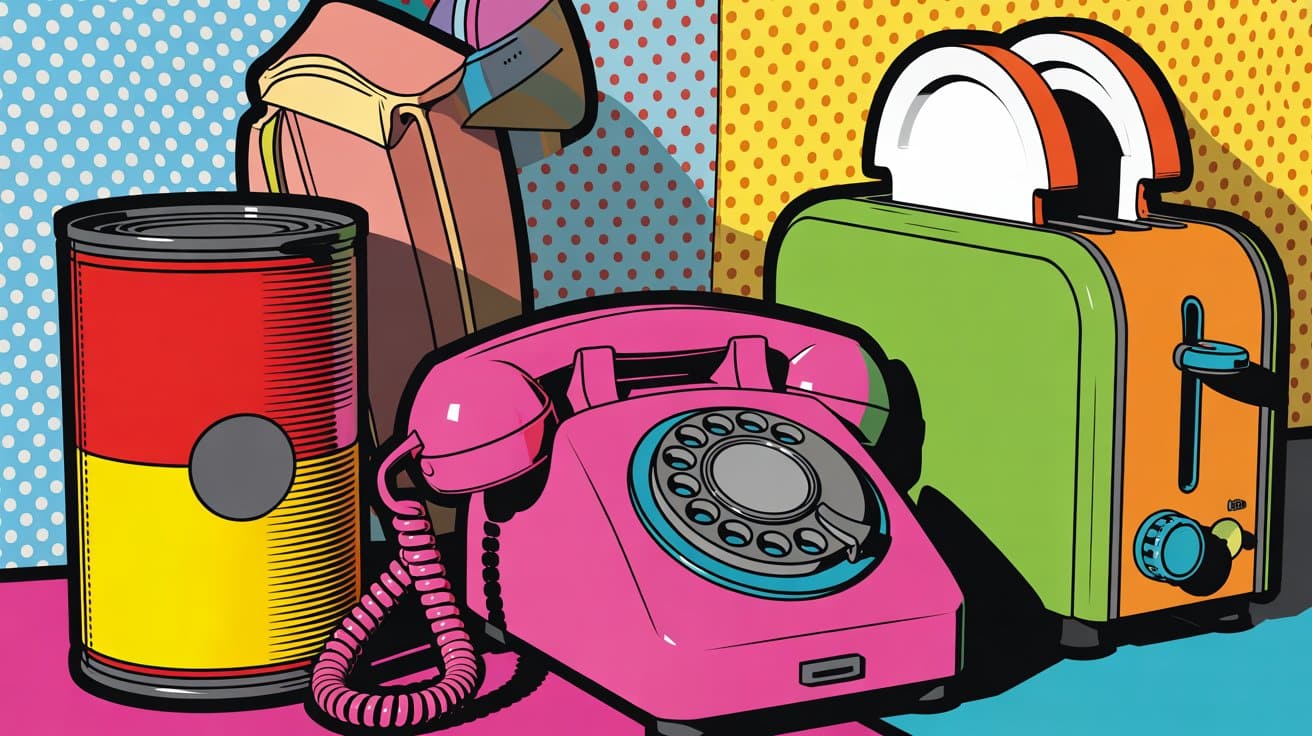
Pop art celebrates popular culture and mass-produced items. It transforms mundane objects into bold, colorful statements.
Key features:Bright, saturated colors grab attention immediately. Comic book styles and commercial imagery. Repetition of familiar brands, celebrities, and everyday items.
Famous artists:Andy Warhol turned Campbell’s soup cans and Marilyn Monroe into iconic art. Roy Lichtenstein adapted comic book panels into large-scale paintings.
Practical use:Pop art energizes kitchens and casual dining spaces. Youth rooms and playrooms benefit from the fun, vibrant aesthetic. Businesses use pop art in branding to appear modern and approachable.
Pro Tip:Mix pop art with neutral backgrounds to prevent visual overload. One or two pop art pieces add personality without creating chaos. Match the artwork’s colors to small accents like pillows or dishes.
6. Watercolor: The Fluid, Calming Medium

Watercolor painting uses water-based pigments that create soft, transparent layers. The technique produces gentle transitions and a light, airy feel.
Key features:Transparent layers allow white paper to show through. Soft color transitions blend seamlessly. Unpredictable water flow creates organic, natural effects.
Famous artists:John Singer Sargent painted luminous portraits and landscapes. Winslow Homer captured dramatic seascapes with fluid brushwork.
Practical use:Watercolors suit bedrooms and bathrooms perfectly. The calm, gentle quality promotes relaxation. These pieces work well in tranquil spaces like meditation rooms or reading nooks.
Pro Tip:Frame watercolors behind glass to protect the delicate medium. Hang them away from direct sunlight to prevent fading.
How to Pick the Perfect Painting Style?
Selecting the right painting style starts with understanding your space and preferences.
1. Assess Your Space: Measure your walls and note the room’s purpose. Large, open living rooms can handle bold abstract or surrealist pieces. Smaller bedrooms benefit from calming watercolors or soft impressionist works
2. Consider Existing Decor: Match the painting style to your current furniture and color scheme. Modern, minimalist spaces pair well with abstract art. Traditional homes complement realistic or impressionist paintings.
3. Define the Mood: Think about how you want the space to feel. Energetic spaces benefit from pop art or bright abstracts. Relaxing areas need watercolors or soft impressionist pieces.
4. Reflect Your Personality: Choose styles that resonate with you personally. Don’t follow trends if they don’t feel authentic. Your space should reflect who you are.
5. Expert Tip: Mixing Multiple Styles: You can combine different painting styles in one space successfully. Use the 60-30-10 rule: 60% one dominant style, 30% a complementary style, and 10% an accent style.
The right painting style transforms a room from ordinary to personal. Take time to evaluate your space honestly. Consider what you need versus what looks trendy. Visit galleries or browse online collections for inspiration.
Tips for Mastering Each Painting Style: From Artist to DIYer
1. How to Experiment with Different Painting Styles: Start by studying examples of each style. Visit local galleries or browse online art platforms. Notice what draws your attention and why.
Try creating your own pieces to understand each style better. Start with simple subjects.
2. DIY Techniques for Home Decor: Creating abstract art requires no formal training. Use acrylic paints on canvas and experiment with color combinations. Let intuition guide your brush strokes.
For impressionist effects, work quickly with visible brush strokes. Don’t blend colors completely.
Trending Today: Modern Twists on Classic Painting Styles
1. Fusion Styles: Contemporary artists blend traditional styles with modern sensibilities. Pop surrealism combines pop art’s bright colors with surrealism’s dreamlike imagery. The result feels fresh and relevant.
Digital abstract art uses software to create compositions impossible with traditional media. Artists can experiment endlessly without wasting materials.
Neo-impressionism applies impressionist techniques to urban landscapes and modern subjects. The old style gains new life through contemporary themes.
2. Evolution and Adaptation: Painting styles evolve with society. Today’s realism often incorporates social commentary. Abstract artists explore digital culture through their work.
Street art brings gallery styles to public spaces. Murals transform entire buildings into massive canvases.
Social media influences how artists create and share work. Styles that photograph well gain popularity online.
3. Technology in Painting: Digital painting tools replicate traditional media digitally. Artists can undo mistakes and experiment freely.
Augmented reality adds interactive elements to static paintings. Viewers use phones to see animations overlaid on physical artwork.
Projection mapping transforms paintings into moving, evolving displays. Technology enhances rather than replaces traditional techniques.
4. Budget-Friendly Options: High-quality prints offer affordable alternatives to original paintings. Many artists sell prints of their work at reasonable prices.
Posters of famous paintings cost even less. Frame them properly to look more expensive. Commission emerging artists through online platforms.
Thrift stores and estate sales sometimes have original artwork at low prices. You might find hidden gems with patience.
Conclusion
Painting styles offer endless possibilities for personalizing your environment. Each style creates different moods and expresses unique perspectives.
Start small if you’re new to collecting or creating art. Choose one style that speaks to you. Experiment with placement and lighting. Don’t be afraid to mix styles as you grow more confident.
Explore local galleries and art shows for inspiration. Online platforms connect you with artists worldwide.
The perfect painting style for you already exists. Take time to discover it.
Frequently Asked Questions
What’s the Hardest Art Style?
There’s no single “hardest” art style, as difficulty is subjective, but Hyperrealism/Photorealism is often cited for extreme technical skill, demanding microscopic detail.
What are the Five Genres of Painting?
In the seventeenth century, five types or ‘genres’ of painting were established: history painting, portrait painting, landscape painting, genre painting (scenes of everyday life), and still life.
What Are Five Paintings Together Called?
Some Definitions Restrict “polyptych” to Works with More than Three Sections: A Diptych Is a Two-Part Work of Art; a Triptych Is a Three-Part Work; a Tetraptych or Quadriptych Has Four Parts; A Pentaptychhas Five Parts.