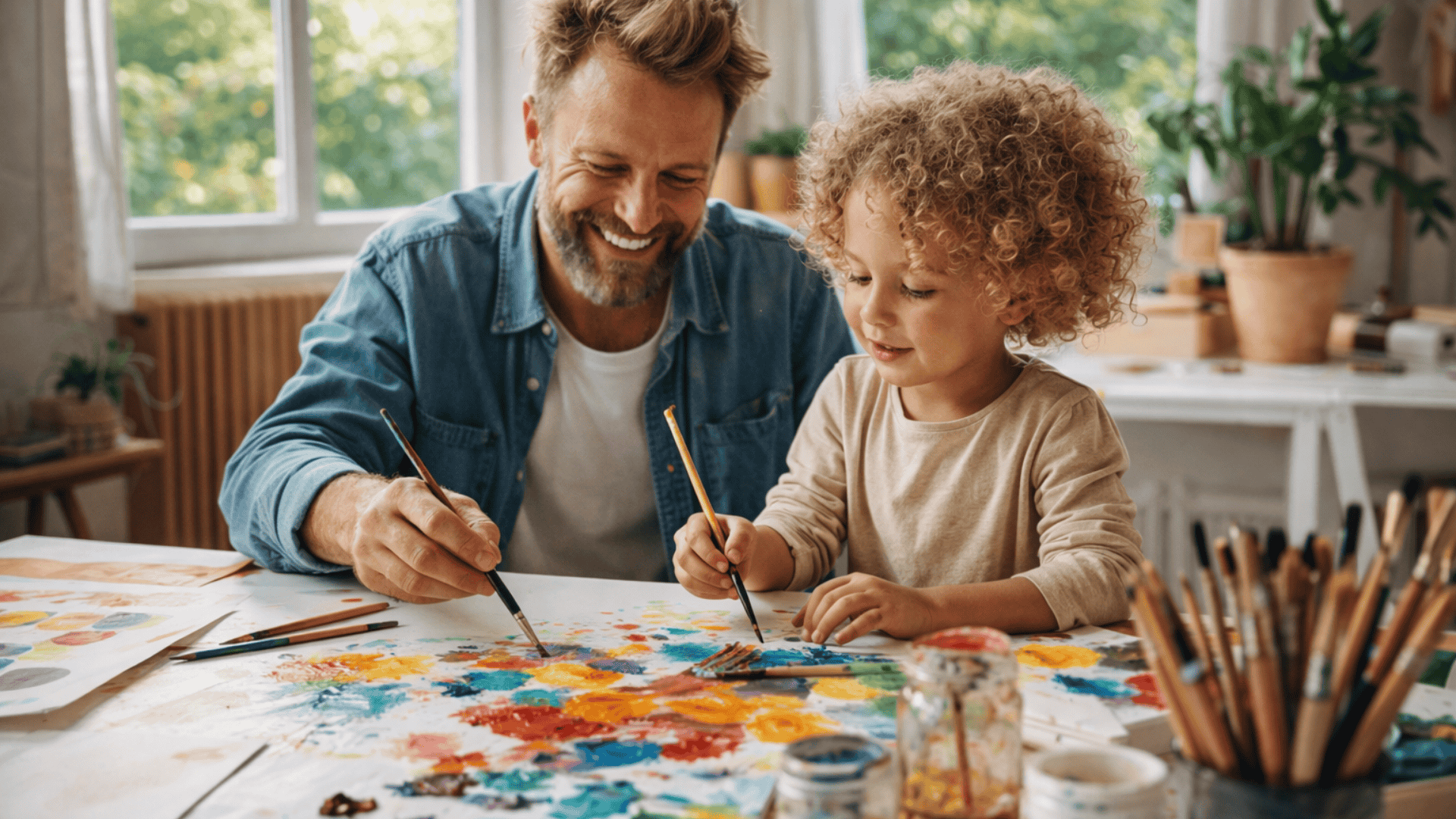
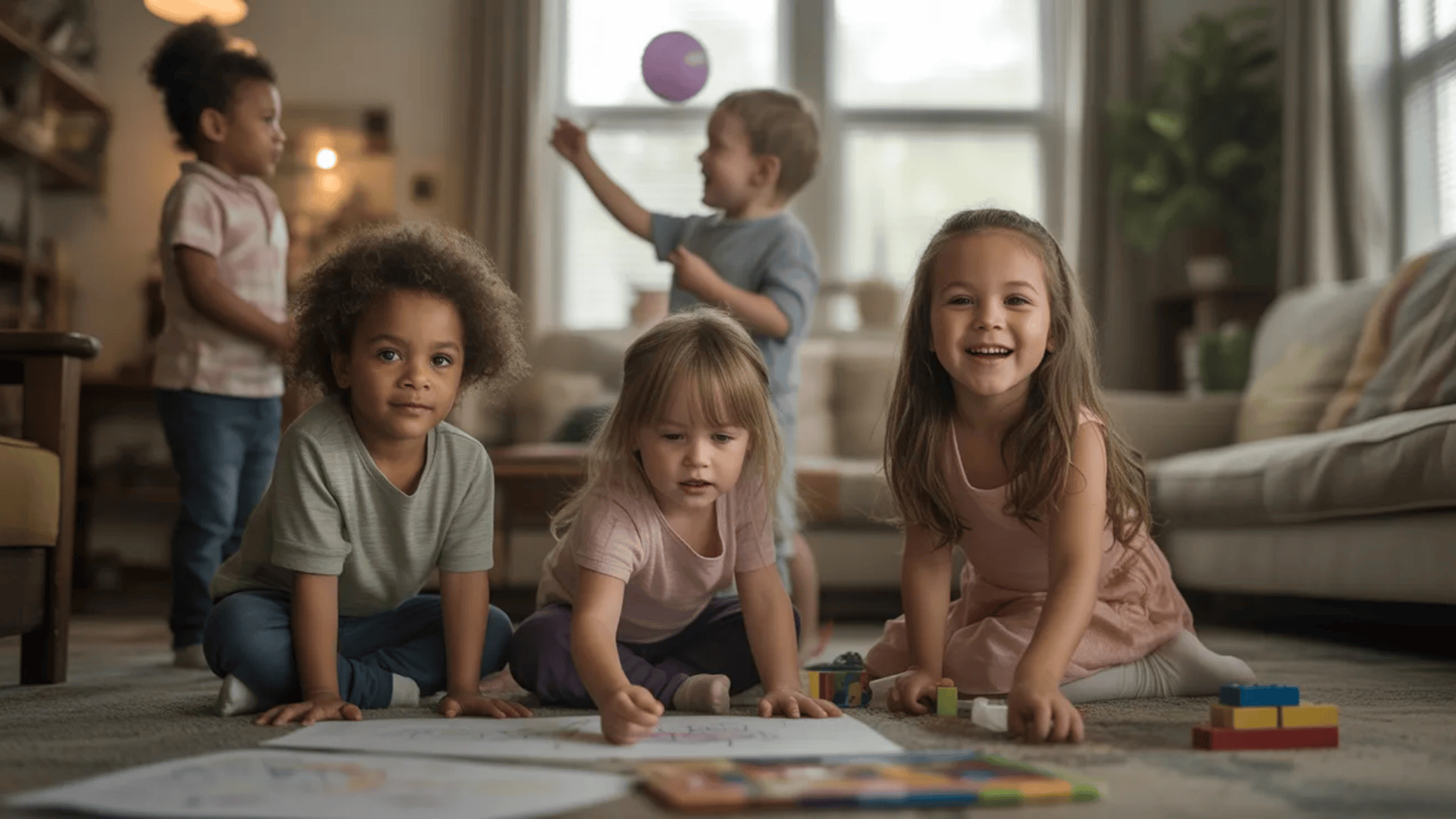
Rain pours down. Snow piles up outside. Your kids are stuck indoors with energy to burn.
Within an hour, you hear the dreaded words: “I’m bored!”
Sound familiar? Every parent faces this challenge. Bad weather days can feel long. Kids need movement and fun to stay happy.
The good news? You don’t need fancy toys or expensive kits.
This guide shares fun, kid-friendly activities that actually work. These ideas use items you already have at home. Most take less than five minutes to set up.
You’ll find active play, arts and crafts, STEM projects, pretend play, quiet games, and sensory activities.
Each activity is simple. Each one keeps kids busy. And yes, each one gives you a break too.
Ready to beat indoor boredom? Let’s start.
Active Indoor Play for Kids
Kids have energy. Lots of it. Theseinside activities for kids help burn off that energy without leaving the house.
Each game gets kids moving, jumping, and laughing. You only need basic household items. Setup takes minutes, not hours.
Let’s start with activities that turn your living room into a play zone.
1. Indoor Obstacle Course
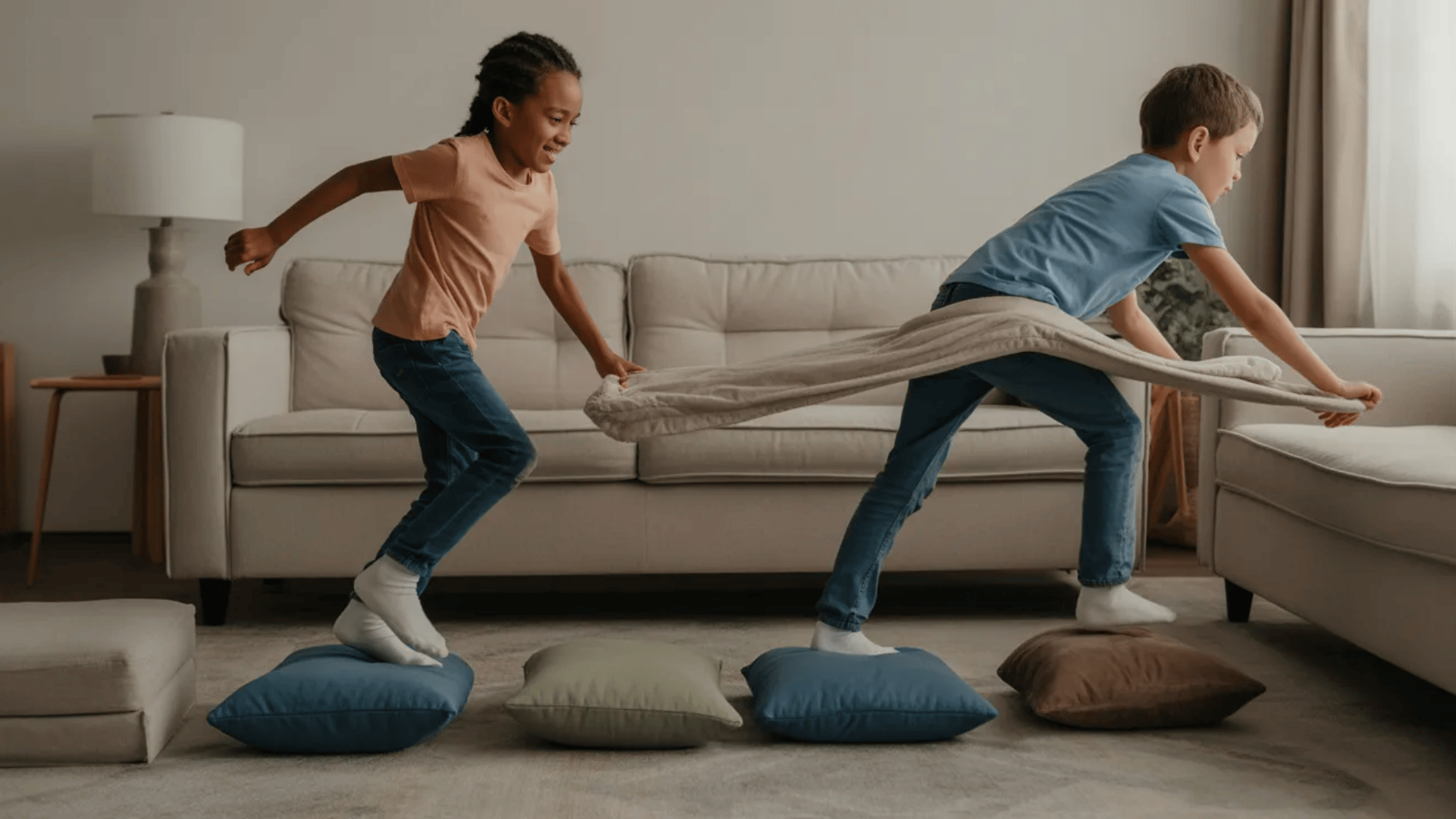
Transform any room into an adventure path. Use couch cushions as stepping stones. Place chairs to crawl under. Add rolled blankets to jump over.
How to set it up: Gather pillows, chairs, laundry baskets, and pool noodles. Arrange them in a path through one or two rooms. Show kids the route once. Let them complete it multiple times.
Why it works: Kids practice balance and coordination. They burn energy fast. You can change the course each time to keep it fresh. The challenge builds problem-solving skills, too.
Pro tip: Time each round. Kids love beating their own records. You can also create themed courses like “jungle adventure” or “space mission.”
Age range: Works for toddlers through elementary kids. Make it easier or harder based on their abilities.
2. Dance Freeze Game

Turn on the music. Let kids dance however they want. Then pause the music without warning.
The rule is simple: When music stops, kids must freeze in place. They hold that pose until the music starts again. No wiggling allowed.
Why kids love it: Dancing feels fun, not like exercise. The freeze moments add surprise and giggles. Kids get to show off their best moves between freezes.
Make it harder: Call out poses when you pause. Try “freeze like a tree” or “freeze like a robot.” Ask them to freeze on one foot for an extra challenge.
Music choice matters: Use upbeat songs kids know. They’ll dance longer when they love the music. Switch between fast and slow songs for variety.
3. Balloon Volleyball
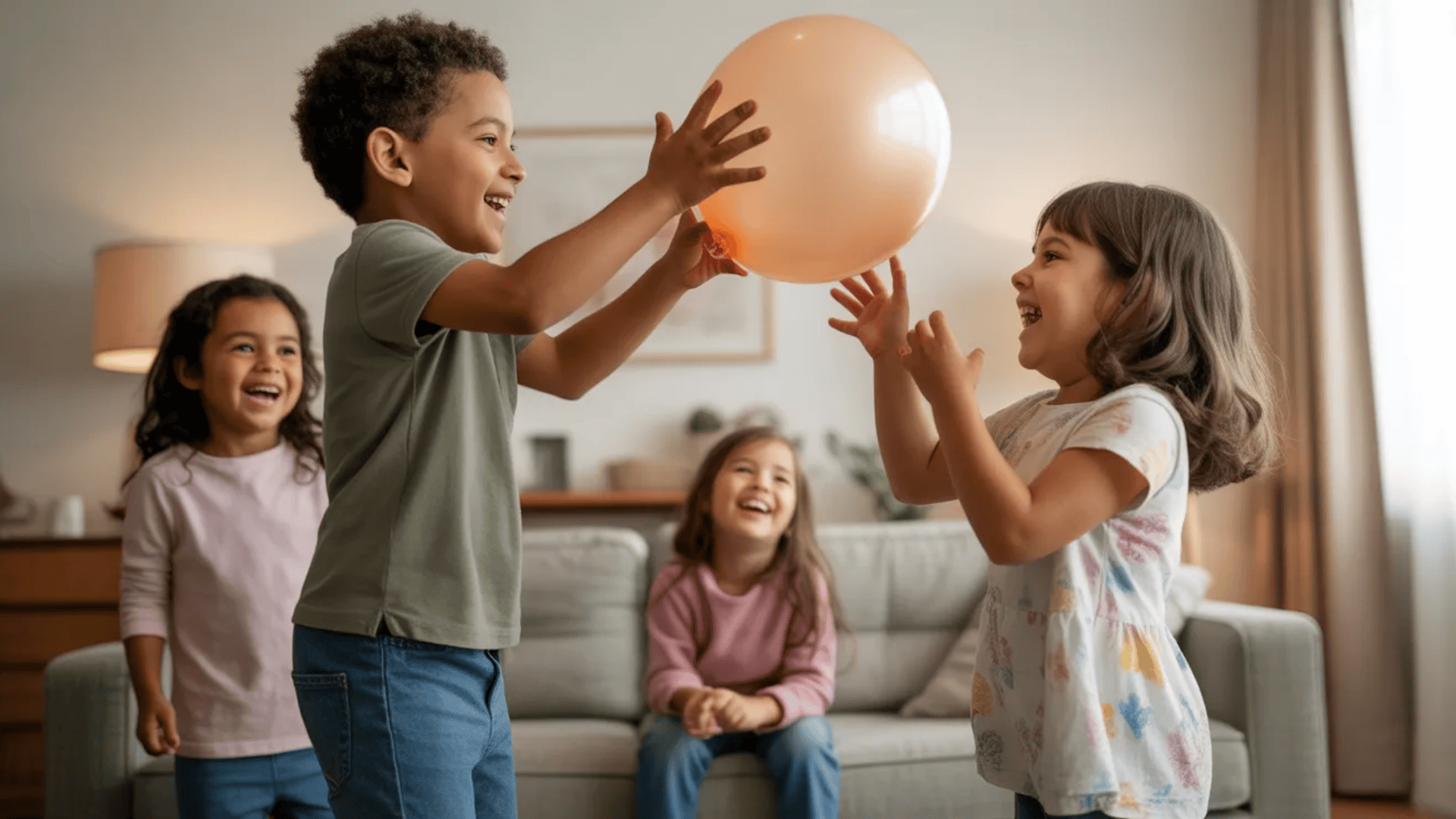
Blow up a balloon. That’s your ball. Use a string or tape line as your net. Or just play without one.
Basic game: Keep the balloon in the air. Don’t let it touch the ground. Count how many hits you get before it falls.
With two players: Hit the balloon back and forth over your net. See how long you can keep a rally going. First one to drop it loses that round.
Why it’s perfect indoors: Balloons move slowly. They won’t break anything. Even young kids can play successfully. The soft landing makes it safe near furniture.
Variations: Use fly swatters as paddles. Try keeping two balloons up at once. Play while sitting on the floor for added difficulty.
4. Animal Movement Challenge
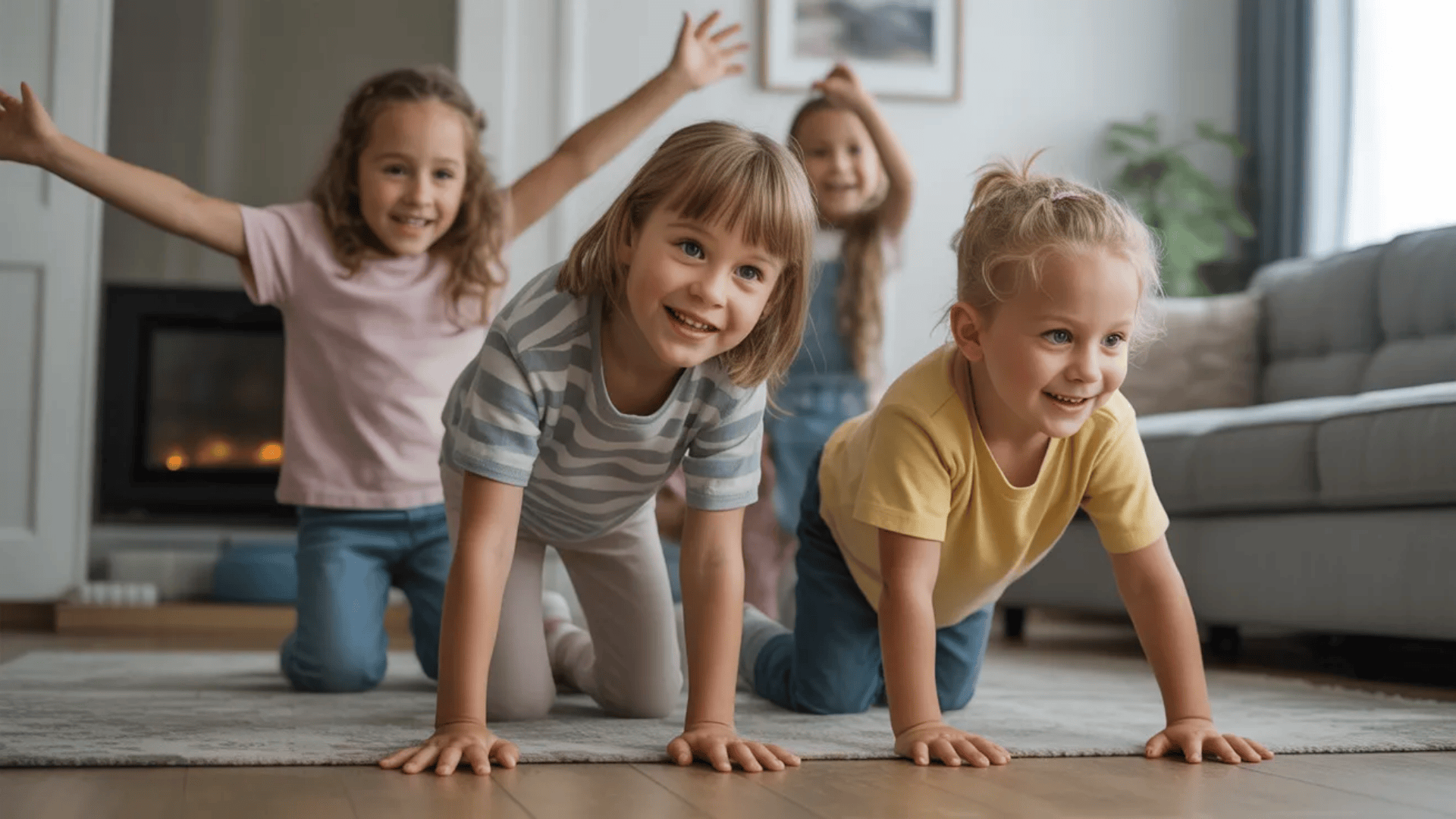
Kids move like different animals. This game needs zero supplies. Just space to move around.
How to play: Call out an animal name. Kids move like that animal across the room. Try bears (crawl on hands and feet), crabs (walk sideways), frogs (jump and squat), or snakes (slither on belly).
Mix it up: Let kids take turns calling out animals. Add sound effects to match each creature. Make it a race from one wall to another for competition.
Hidden benefit: This works on strength, flexibility, and body awareness. Kids don’t realize they’re exercising. Different animals target different muscle groups naturally.
Learning bonus: Talk about where each animal lives. Discuss what they eat. Turn movement into a mini lesson about wildlife.
5. Painter’s Tape Hopscotch
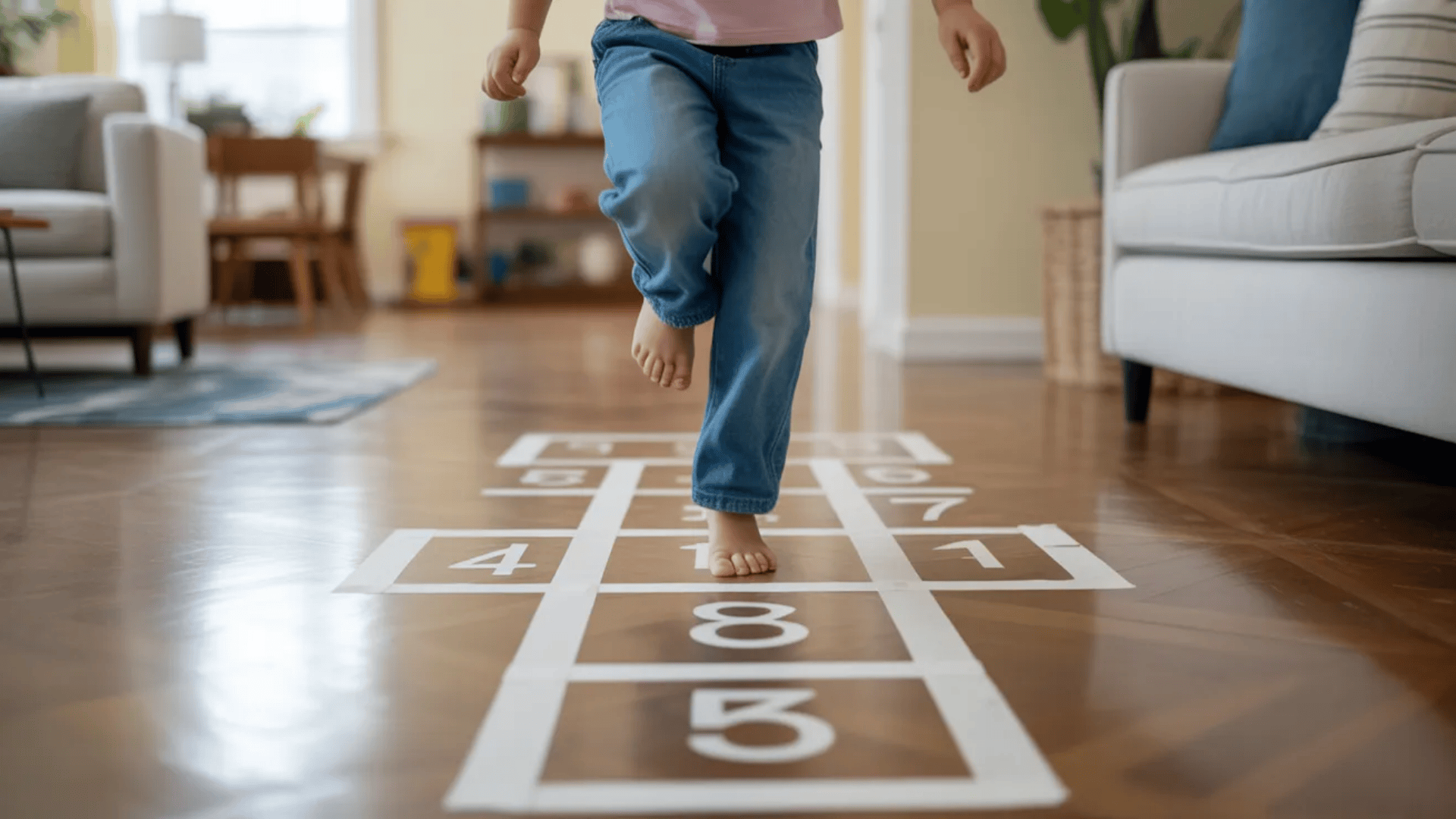
Create a hopscotch board on any hard floor. Use painter’s tape instead of chalk. It peels off easily without damage.
Setup steps: Make numbered squares with tape on your floor. Create single squares and double squares in the classic pattern. You can also design your own creative layout.
How to play: Toss a small object like a bean bag onto a square. Hop through the board using one foot for single squares. Use two feet for double squares. Skip the square with your object. Pick it up on the way back.
Why painter’s tape wins: It sticks to floors but removes cleanly. You can leave it up for days or weeks. Kids can play whenever they want without asking for setup help.
6. Sock Basketball
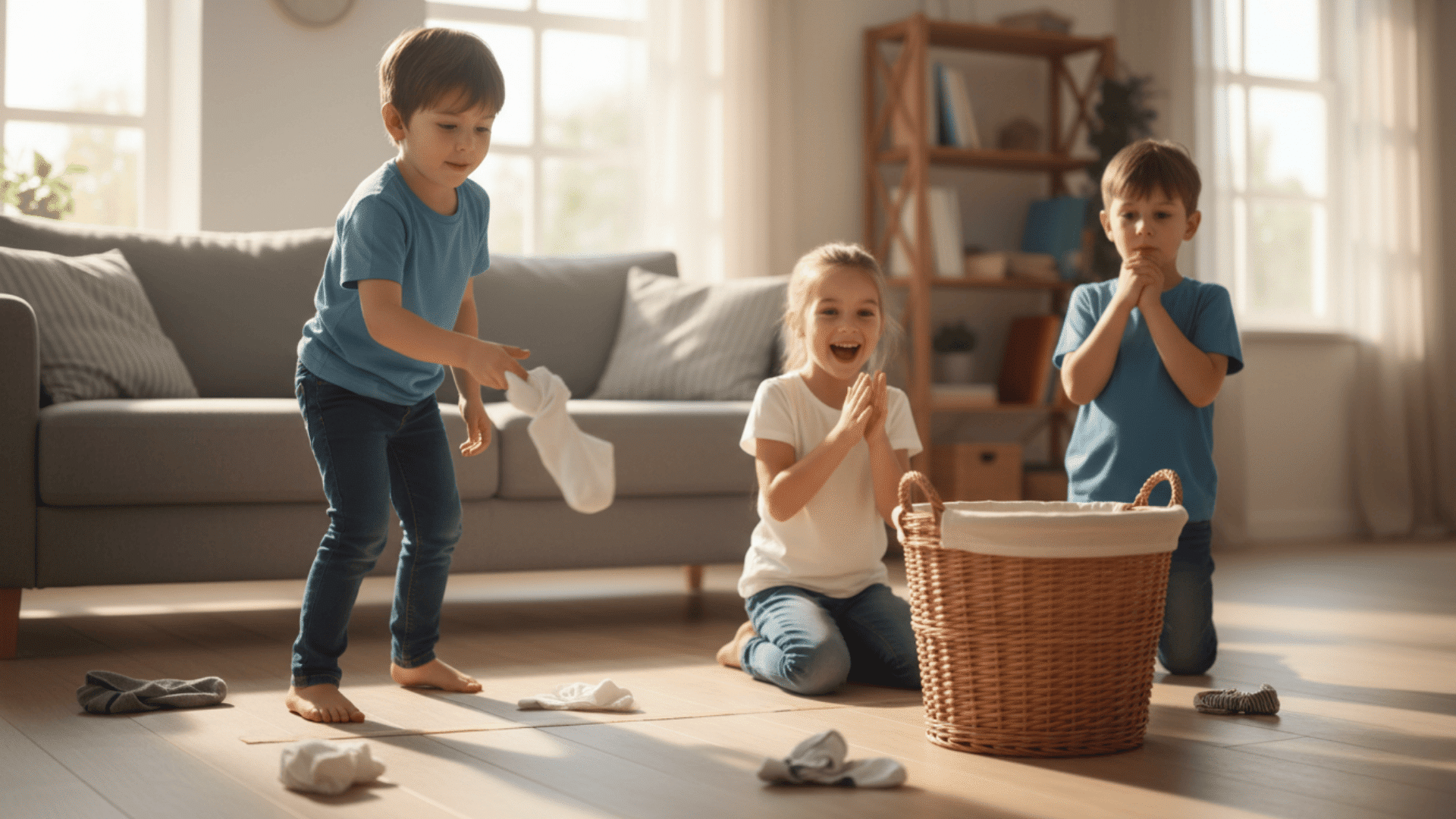
Crumple up socks into balls. Place a laundry basket across the room. That’s your hoop.
The game: Stand behind a line made with tape. Toss sock balls into the basket. Count how many go in out of ten tries. Keep score on paper.
Level up: Move the basket farther away after successful shots. Use a smaller container, like a bucket or bowl. Try tossing with your non-dominant hand for a challenge.
Bonus: This activity is quiet. Perfect when you need kids to be active but not loud. Great for apartments or during nap time for younger siblings.
Team play: Two kids can compete. Or work together to reach a target score. Make it cooperative instead of competitive for better teamwork.
7. Simon Says with Movements
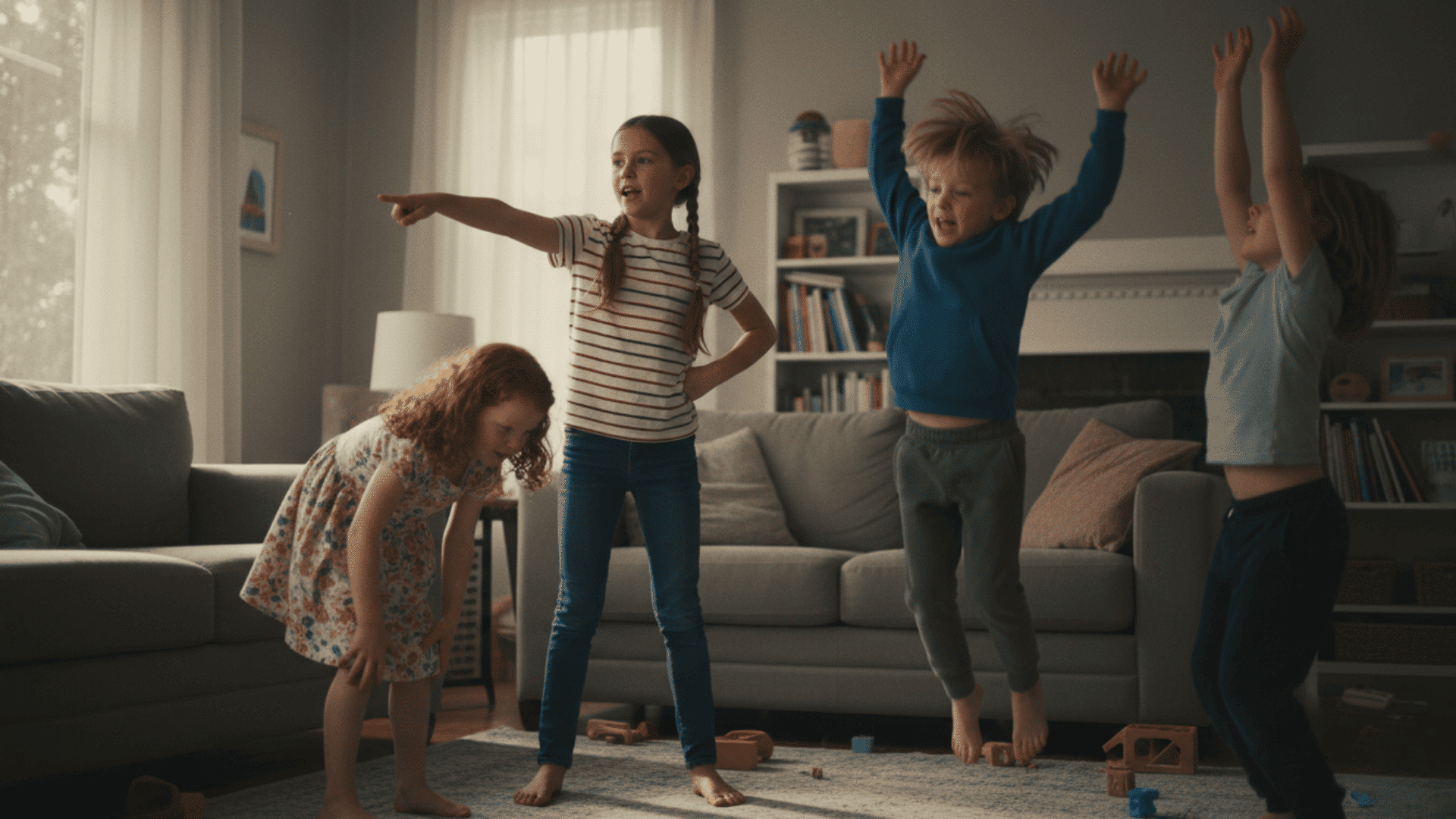
This classic game gets kids moving with purpose. One person is Simon. Others must follow commands carefully.
Key rule: Only do the action if Simon says “Simon says” first. If Simon doesn’t say it, don’t move. Anyone who moves is out for that round.
Movement ideas: Jump five times. Touch your toes. Spin in a circle. Hop on one foot. Do a silly walk. Run in place. Reach for the sky.
Why it works: Kids practice listening skills. They get physical activity. The game teaches following directions while having fun. It builds attention and self-control, too.
Twist: Let kids take turns being Simon. They love being in charge. It helps them practice giving clear instructions to others.
8. Paper Collage Art
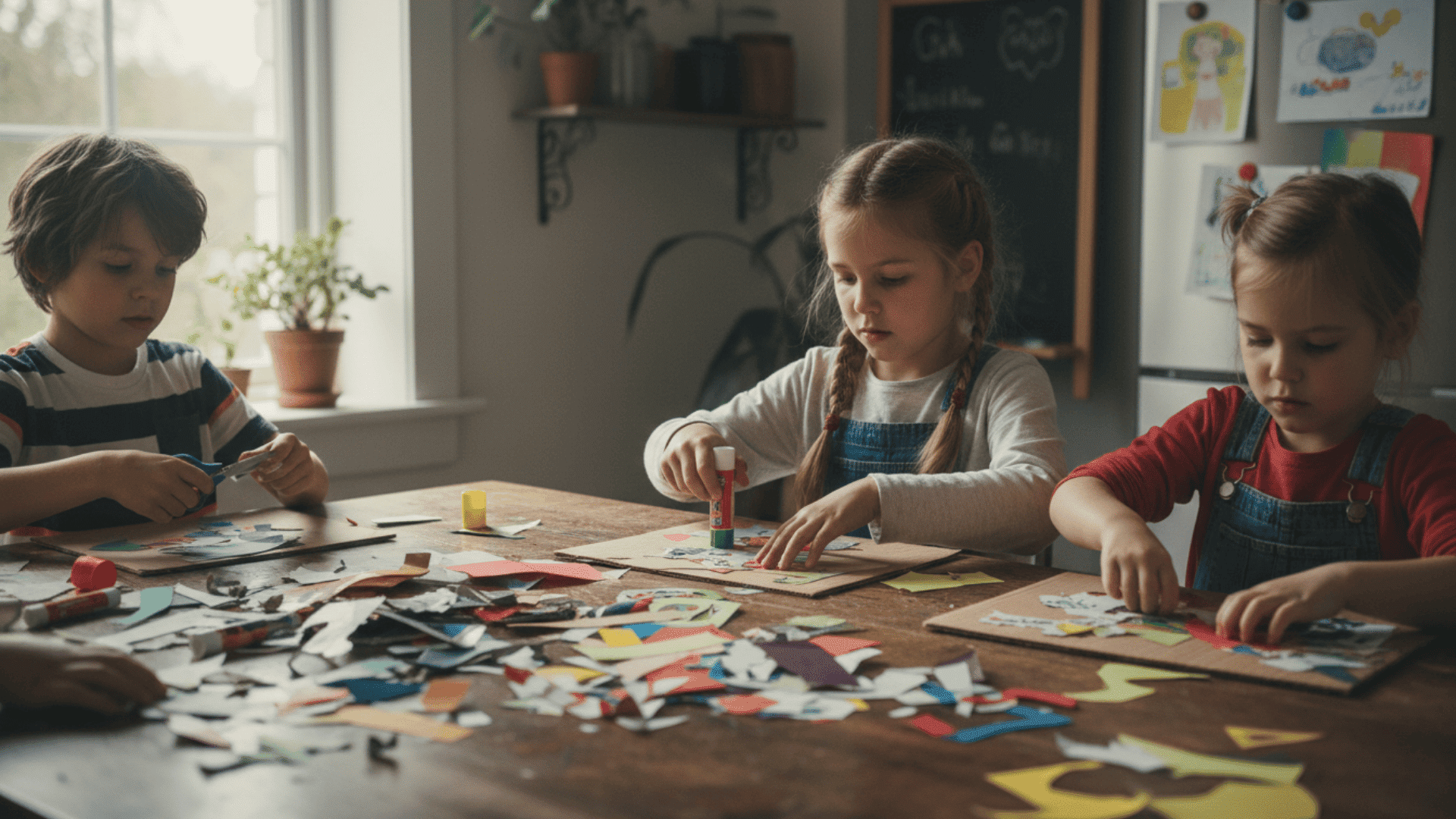
Collage art is simple. Rip or cut paper into pieces. Glue them onto a base to create pictures or patterns.
What you need: Old magazines, colored paper, scissors, glue sticks, and cardboard or construction paper as your base. Catalogs and junk mail work great, too.
How to make it: Let kids cut or tear pictures and shapes from magazines. They arrange pieces on their base however they like. Glue everything down when they’re happy with the design.
Why it’s great: No drawing skills needed. Kids make choices about colors and placement. The tearing motion builds hand strength. Each collage looks different and unique.
Theme ideas: Make an animal collage using only animal pictures. Create a color collage with one color family. Try texture collages with different paper types.
9. Salt Dough Creations
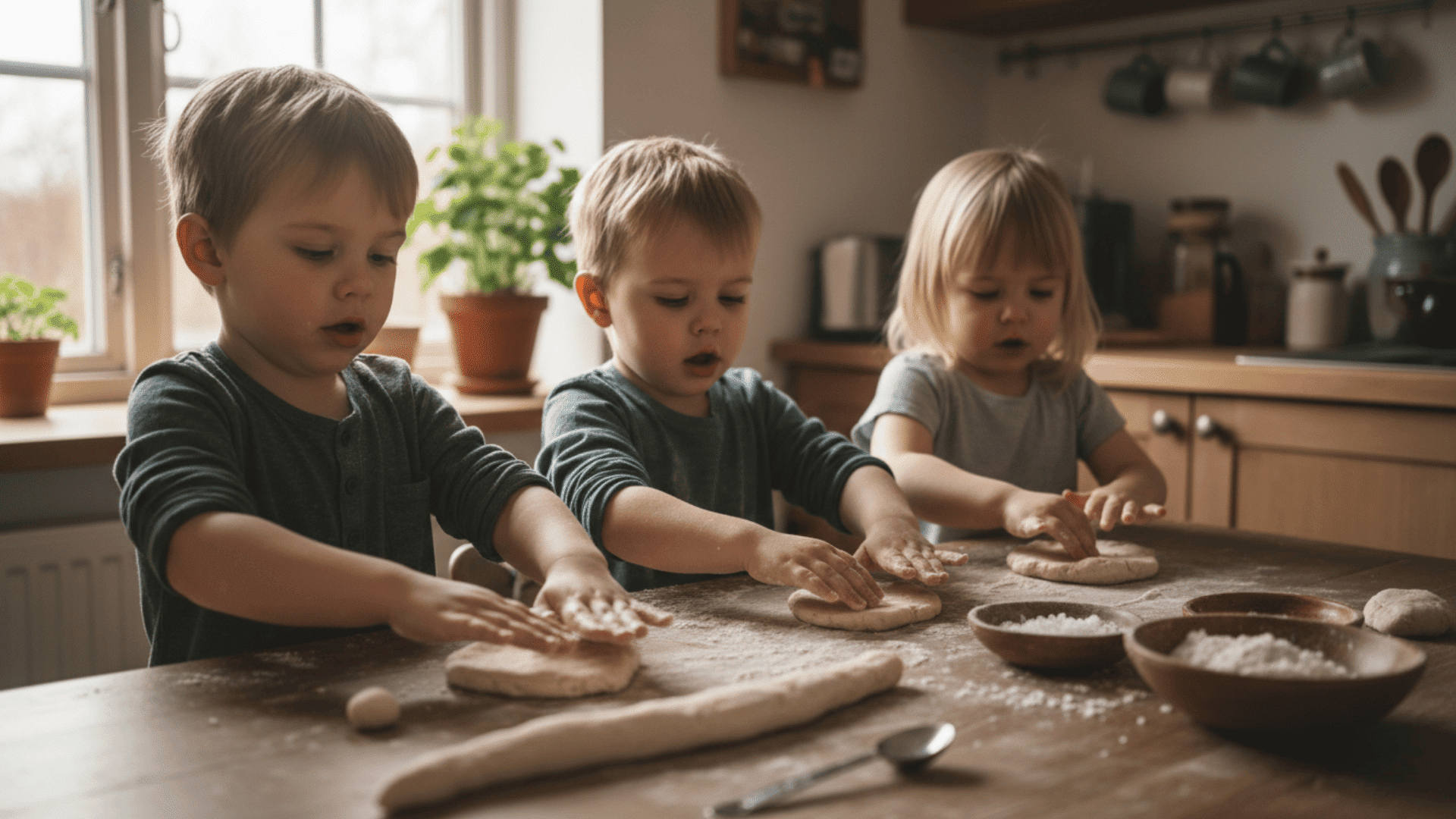
Homemade salt dough feels like clay. Kids can shape it into anything. Then it hardens without baking.
Simple recipe: Mix two cups of flour, one cup of salt, and one cup of water. Knead until smooth. Add more water if too dry. Add more flour if too sticky.
What to make: Roll snakes and coil them into pots. Flatten the dough and use cookie cutters for shapes. Make beads by rolling small balls and poking holes through them.
Drying process: Air dry for two to three days. Or bake at low heat for faster results. Once hard, kids can paint their creations with any paint you have.
Storage tip: Keep unused dough in an airtight container. It lasts up to one week in the fridge.
10. Watercolor Resist Painting
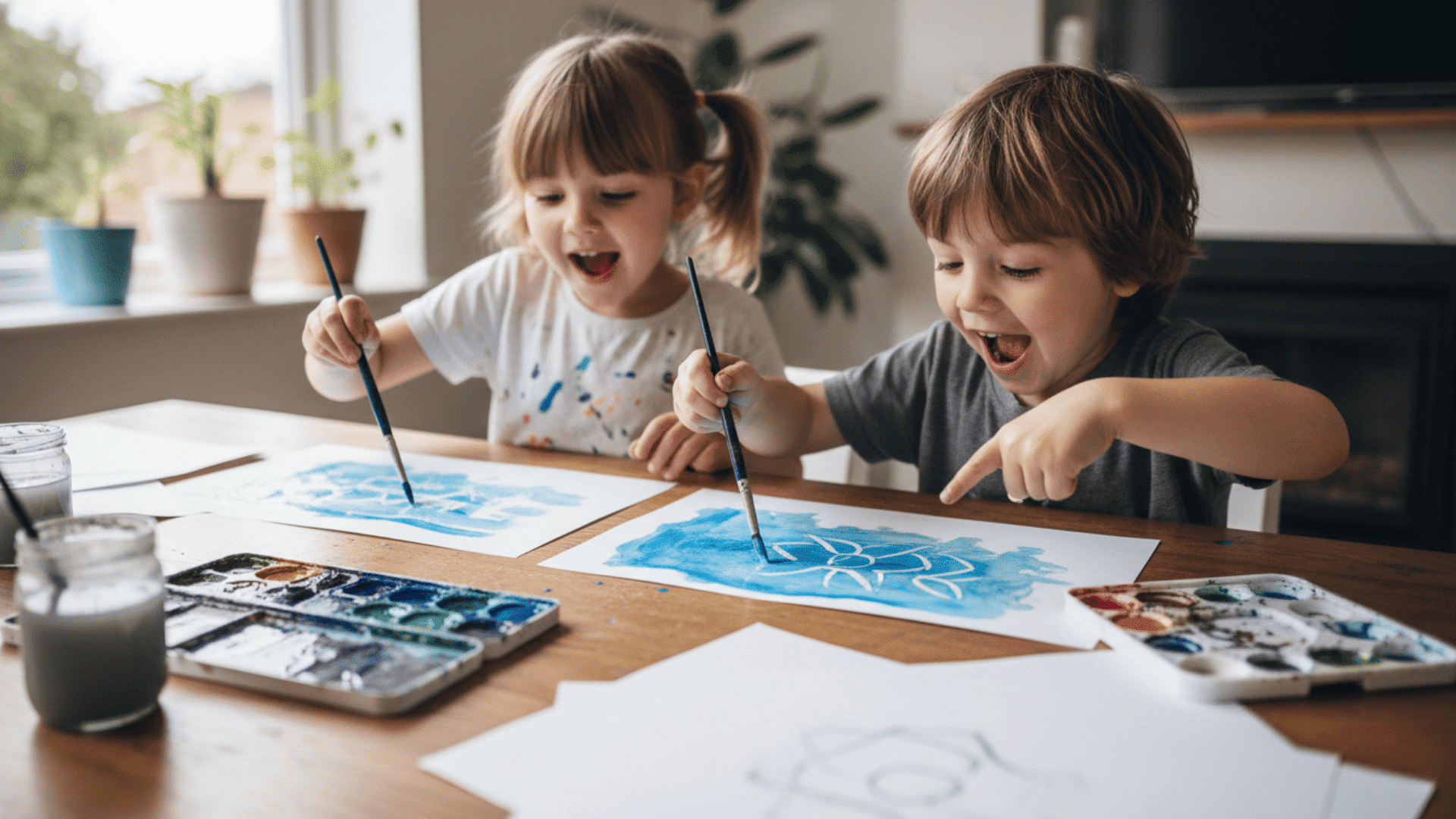
This technique creates surprising results. Draw with a white crayon first. Then paint over it. The crayon lines magically appear.
Supplies needed: White crayons, watercolor paints, paintbrushes, and white or light-colored paper. Regular crayons work too, but white creates the best surprise effect.
How it works: Kids draw designs or write words with a white crayon. Press hard so the wax is thick. Then paint over everything with watercolors. The crayon resists the paint.
Why kids love it: The reveal feels like magic. They can’t see their drawing until they paint. This technique works for secret messages, hidden pictures, or abstract art.
Try this: Draw snowflakes on white paper. Paint over with blue watercolors. The snowflakes stay white while the background turns wintry blue.
11. Sticker Storytelling
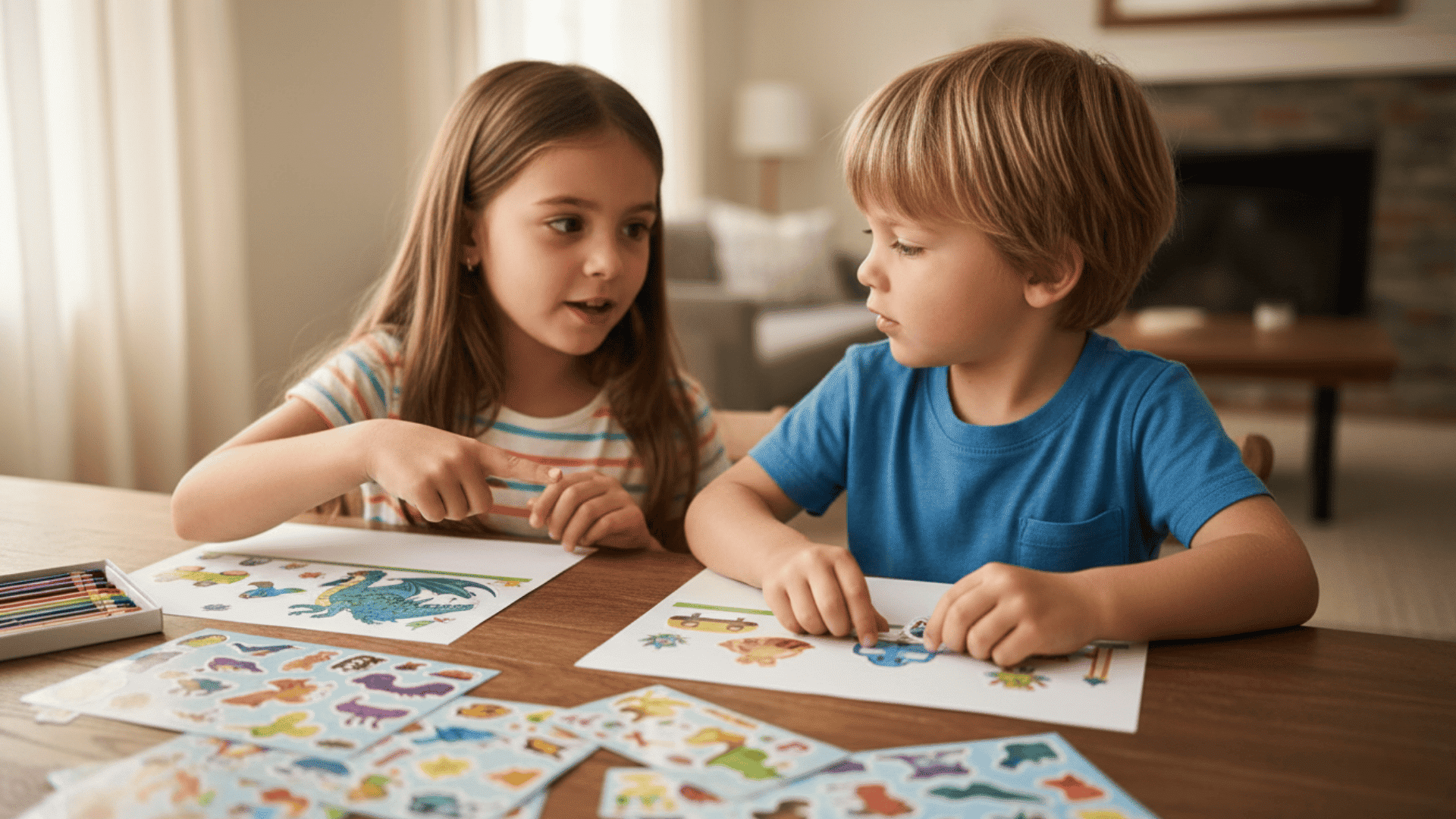
Stickers make stories come alive. Kids create scenes using stickers as their characters and objects.
What you need: Sheets of stickers (any kind works), paper, and markers or crayons. Dollar stores sell sticker packs cheaply. Leftover holiday stickers are perfect for this.
How to play: Give kids paper and stickers. They place stickers to create a scene. Then they draw around the stickers to finish the picture. Finally, they tell you the story.
Writing practice: Older kids can write their story below the picture. Younger kids can dictate while you write. Both options build literacy skills through creative play.
Theme it: Use animal stickers for zoo stories. Use vehicle stickers for adventure tales. Mix random stickers for silly, imaginative stories.
12. Cardboard Box Crafts
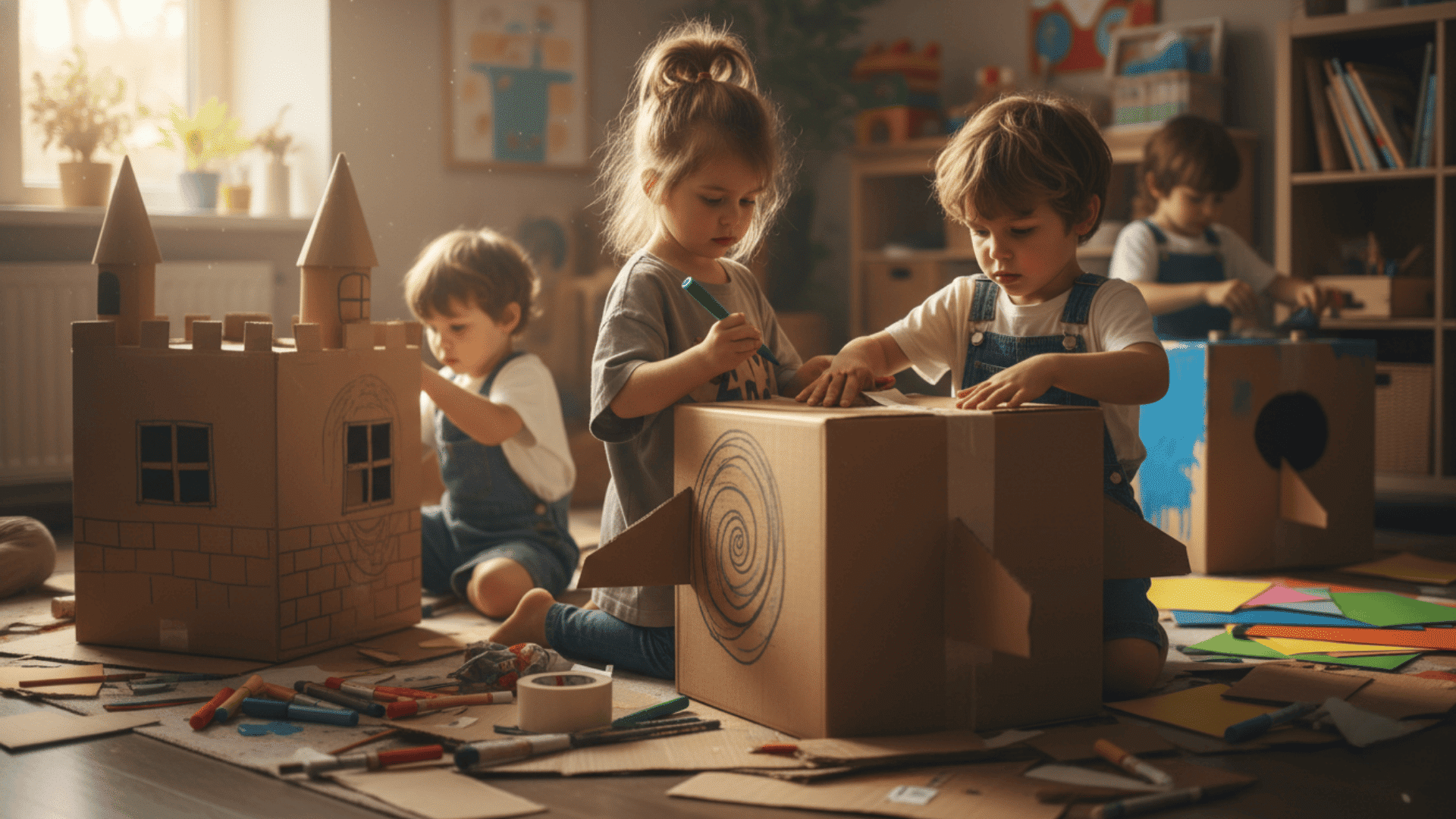
Empty boxes become anything. Robots, houses, cars, castles. Imagination does the heavy lifting here.
Basic supplies: Cardboard boxes of any size, tape, scissors (adult supervised), markers, paint, glue, and any decorating supplies like buttons, fabric scraps, or tissue paper.
Project ideas: Cut windows and doors in a box to make a dollhouse. Attach smaller boxes to create a robot. Cut a hole for a TV screen and make a pretend television.
The process matters: Let kids plan their project first. Help with cutting. Then let them decorate independently. The building process teaches problem-solving and spatial thinking.
Save boxes: Start a craft box collection. Cereal boxes, shoe boxes, and shipping boxes all work. Different sizes offer different possibilities for creation.
13. DIY Paper Crowns or Masks
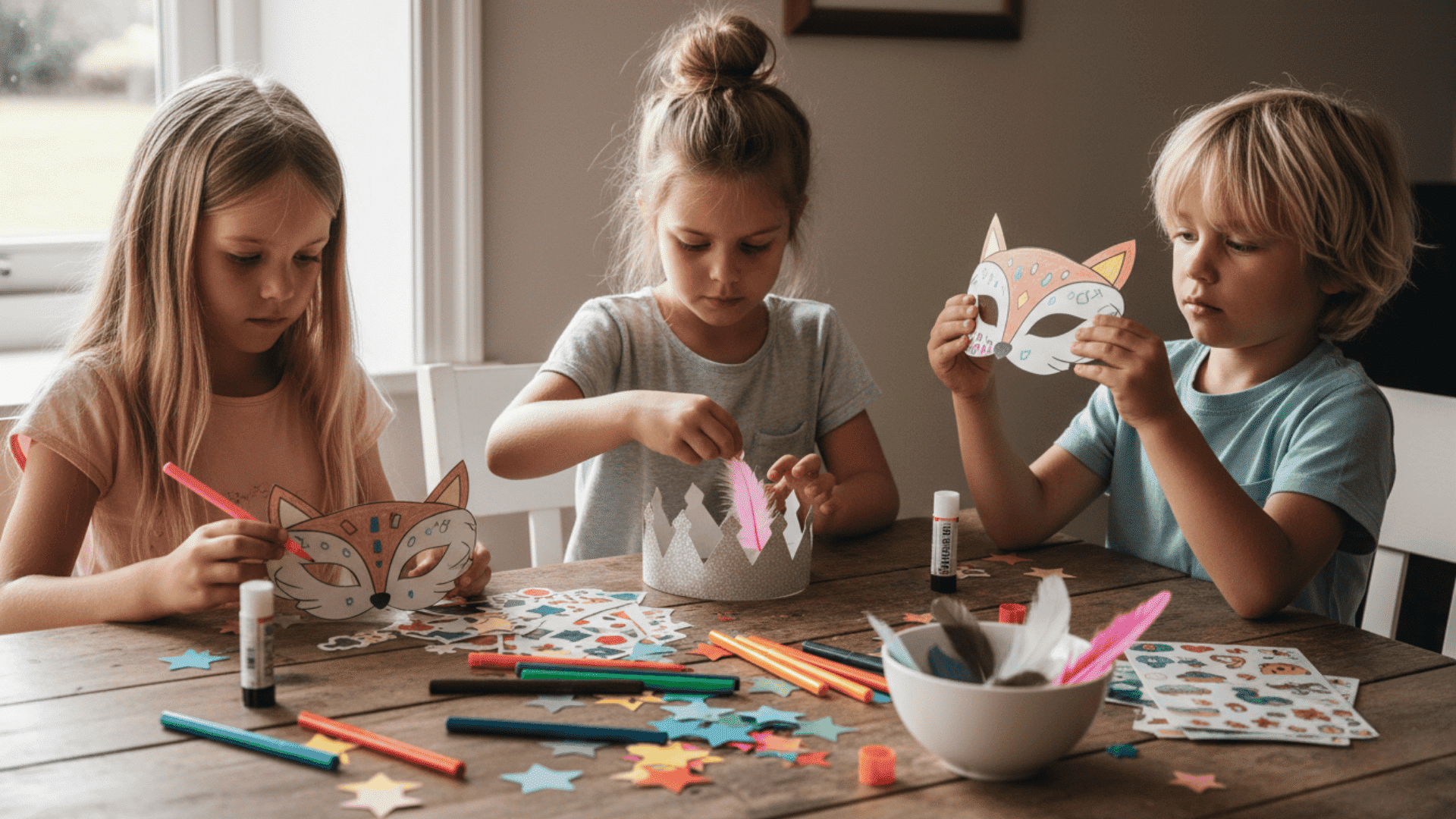
Kids love wearing things they make. Crowns and masks are simple but impressive.
For crowns: Cut a strip of cardstock long enough to fit around the head. Cut triangle points along one edge. Decorate with markers, stickers, gems, or glitter. Staple or tape ends together.
For masks: Draw a mask shape on cardstock. Cut eye holes carefully. Attach a string or elastic to the sides. Let kids decorate before attaching the string.
Decoration ideas: Use feathers for fancy masks. Add glitter for sparkly crowns. Try tissue paper pieces for texture. Stickers make quick and easy decorations.
Pretend play bonus: Once made, these become props for dress-up games. The craft time leads naturally into imaginative play time.
14. Paper Plate Animals
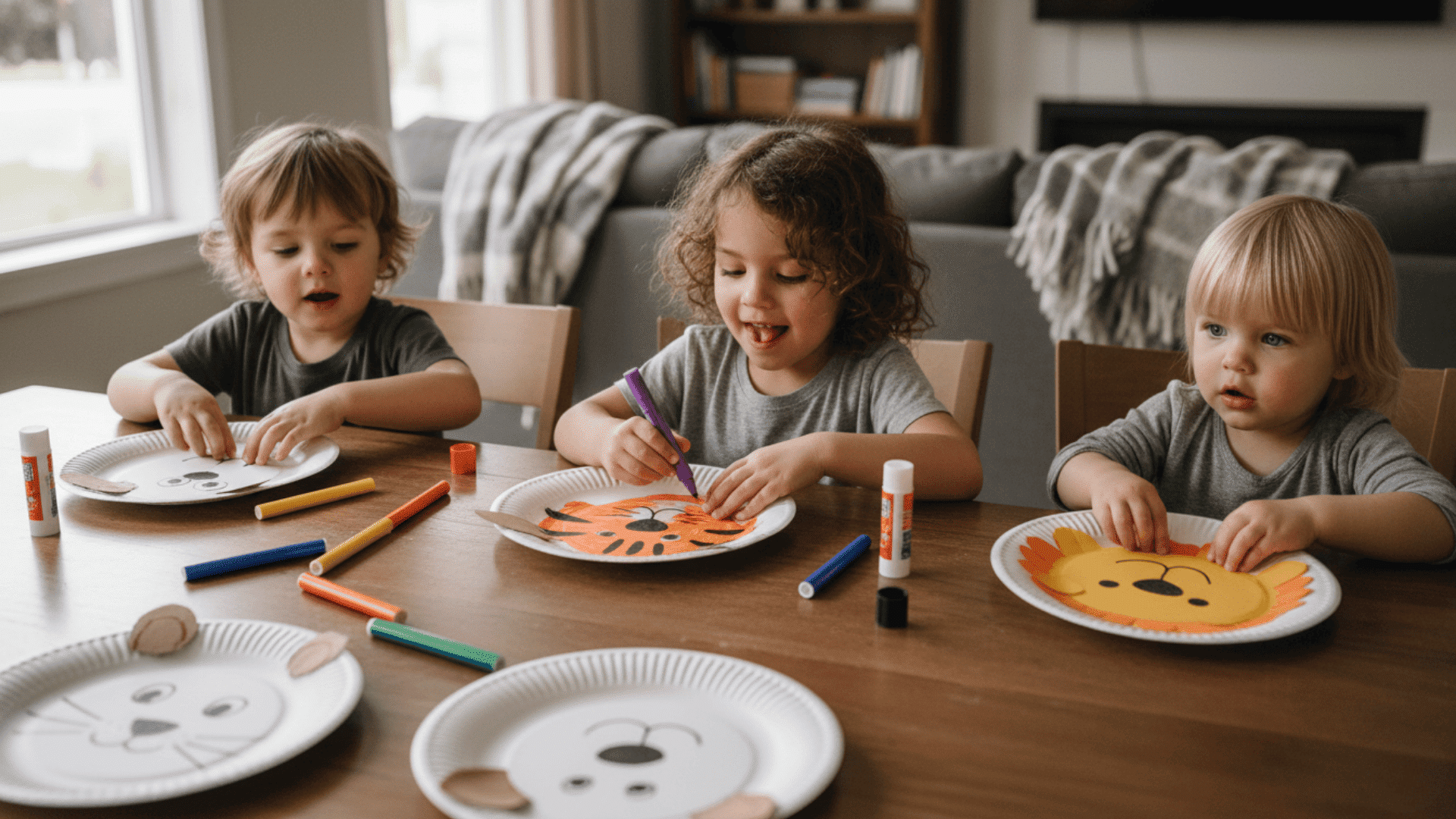
Paper plates become faces for any creature. This craft is easy for all ages.
What you need: Paper plates, construction paper, glue, scissors, markers, and googly eyes (optional). Paint works too if you want colorful animals.
How to make them: The plate is the animal’s face. Cut ears from construction paper and glue them to the top. Add eyes, nose, and mouth. Draw details with markers.
Animal ideas: Make a lion with yellow paper mane pieces. Create a pig with a pink paper snout. Try a bunny with long ear shapes. A bear needs rounded ears.
Display them: Tape finished animals to walls. String them on yarn to make a banner. Let kids create a whole zoo family. These inside activities for kids turn into room decorations afterward.
15. Paper Bridge Challenge
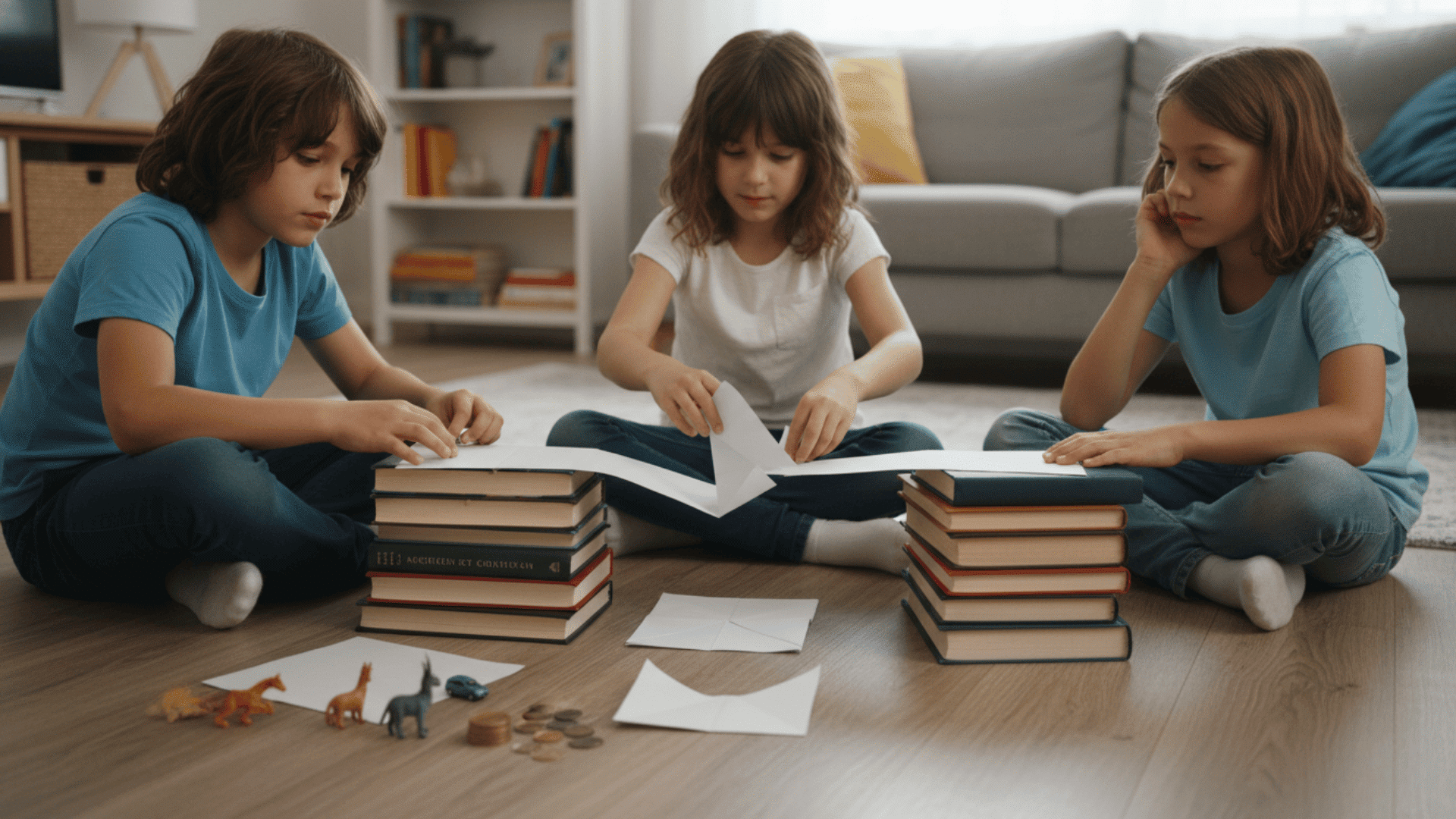
Can paper hold weight? Kids find out by building bridges from paper.
What you need: Sheets of paper, tape, two stacks of books, and small toys or coins for testing. Regular printer paper works fine.
The challenge: Place two book stacks about six inches apart. Build a paper bridge between them. Test how much weight the bridge can hold before collapsing.
Building techniques: Try folding paper into accordion shapes. Roll paper into tubes. Make paper triangles for support. Each design holds different amounts of weight.
Why it teaches: Kids learn about structure and engineering. They test ideas and adjust their designs. Failure teaches just as much as success here.
Competition option: See who can build the strongest bridge. Or who can make the longest bridge that still holds weight?
16. Straw Tower Build
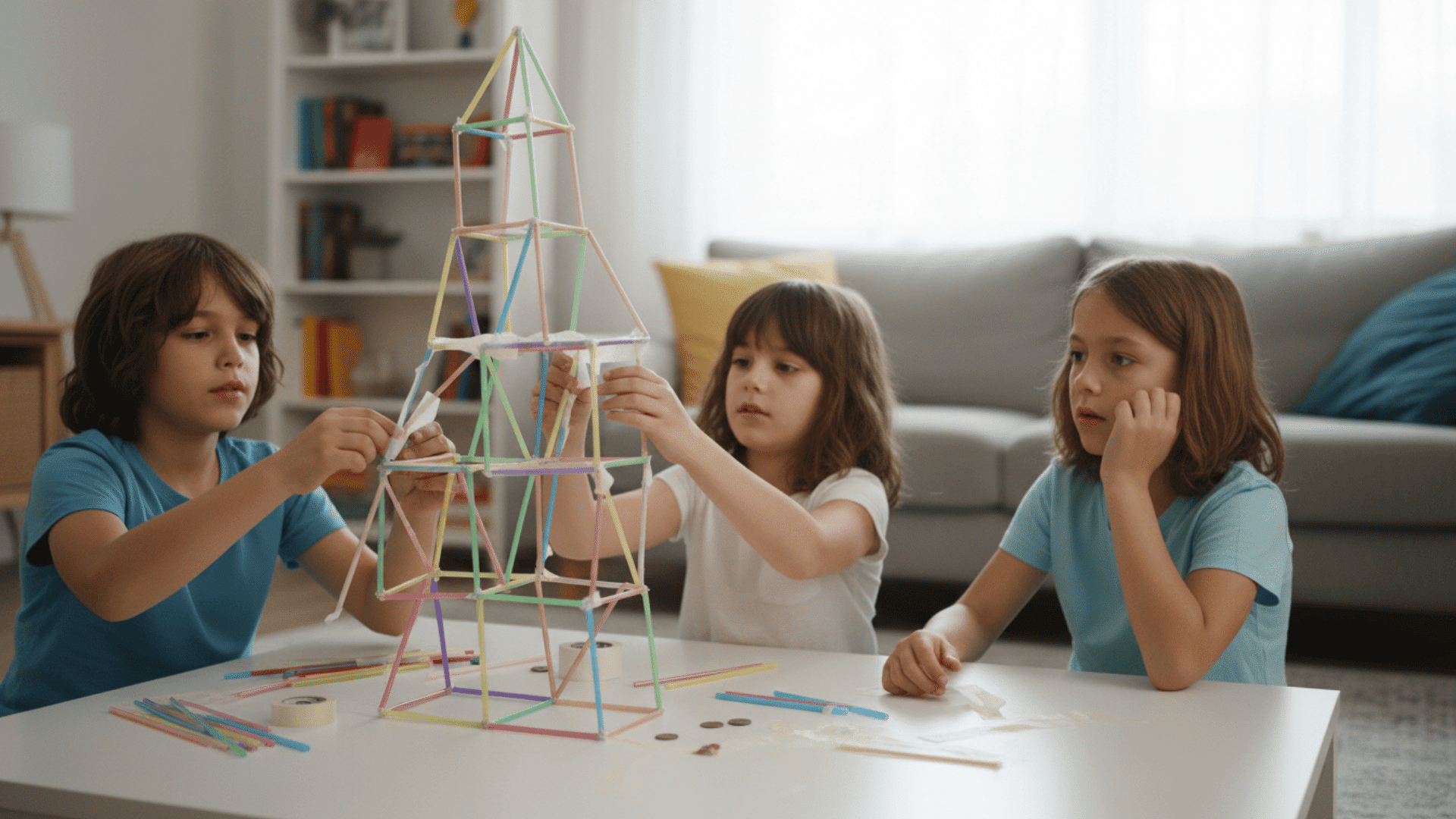
How tall can you build with just straws and tape? This challenge gets competitive fast.
Supplies needed: Plastic straws and masking tape or painter’s tape. That’s it. Buy a big box of straws from the dollar store for multiple building sessions.
The goal: Build the tallest tower that stands on its own. It can’t lean against walls or furniture. Set a time limit like ten or fifteen minutes.
Building tips: Triangles make structures stronger. Connect straws at angles for better support. Use small pieces of tape to join straws at corners.
What kids learn: Balance, geometry, and structural stability all come into play. They see which shapes hold up better. Trial and error is part of the process.
Team version: Multiple kids work together on one mega tower. Or divide into teams for a building competition.
17. Sink or Float Experiment
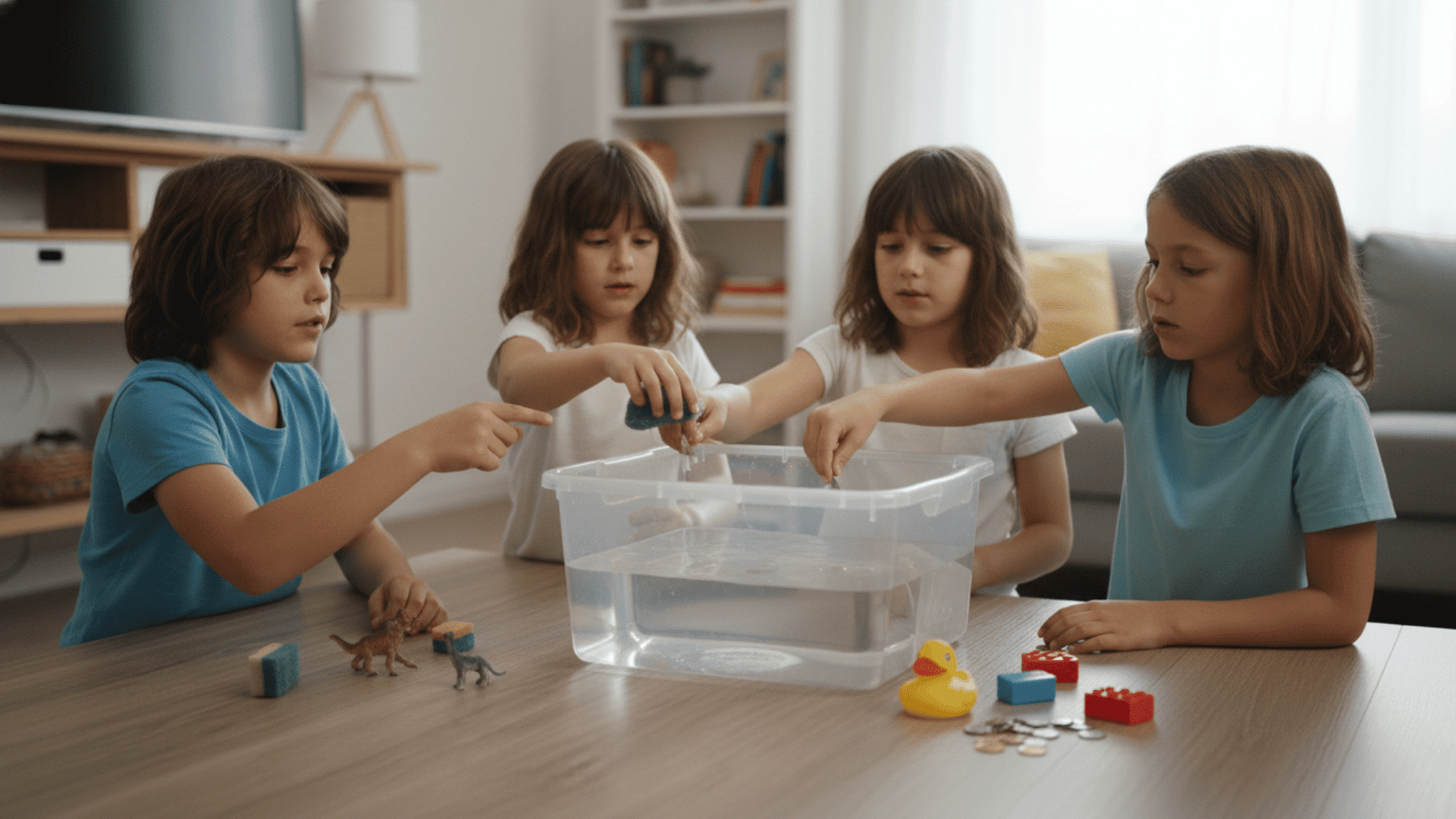
Will it sink or will it float? Kids predict, then test their guesses.
Set up: Fill a large bowl or tub with water. Gather small household items like spoons, corks, coins, plastic toys, sponges, rocks, leaves, and paper clips.
How to do it: Kids look at each item first. They guess whether it will sink or float. Write predictions down. Then test each item one by one.
Record results: Make two columns on paper labeled sink and float. Sort items into the correct column after testing. Were the predictions right?
Why it works: Kids learn about density and the properties of materials. They make observations and test hypotheses. Science happens naturally through exploration.
Extend it: Try items that surprise, like apples (float) or grapes (sink). Experiment with fresh versus salt water. Test if shape matters by changing how items sit in water.
18. Baking Soda and Vinegar Activity
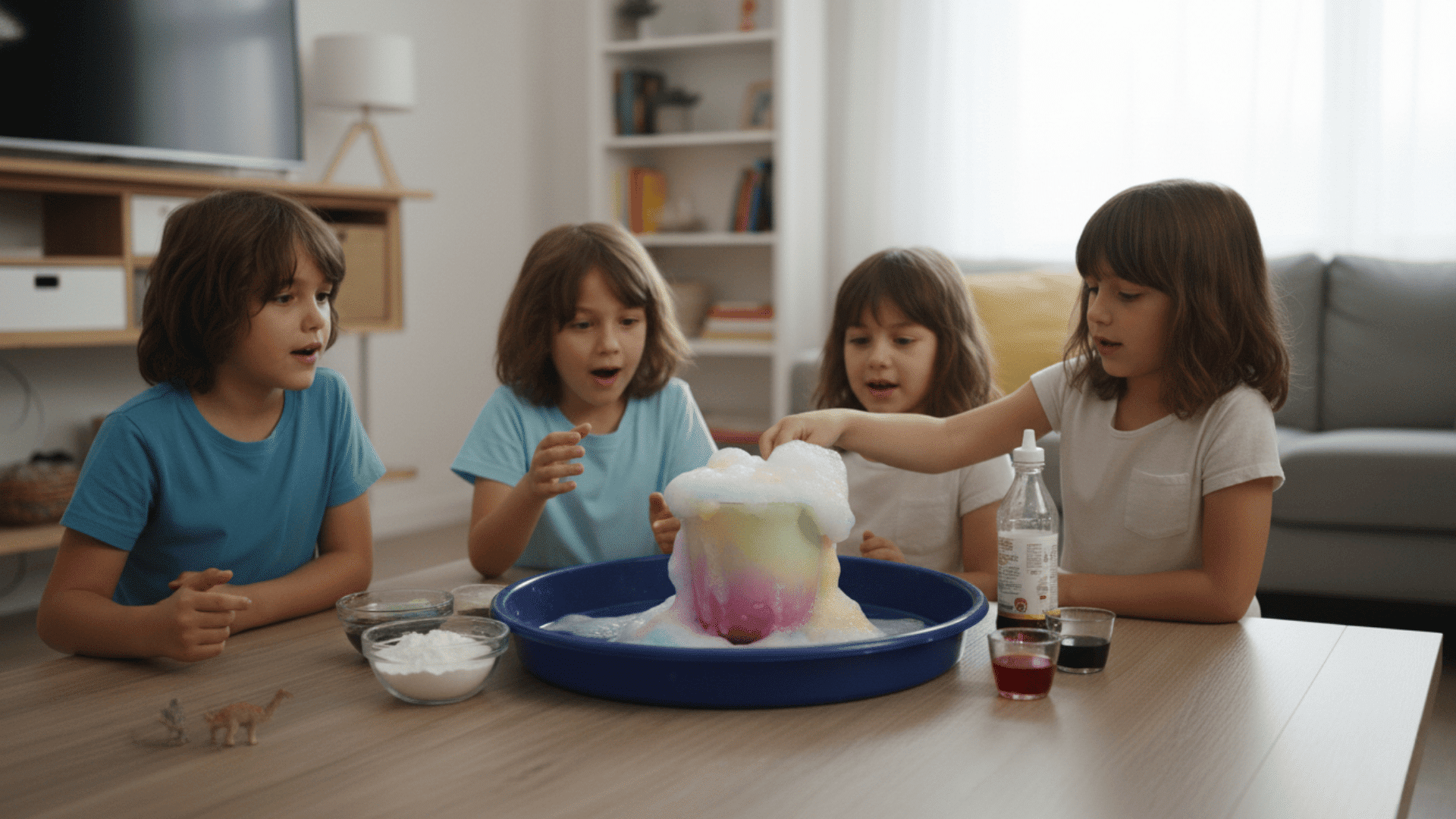
This classic reaction never gets old. Mix baking soda and vinegar to create fizzy foam.
Basic supplies: Baking soda, white vinegar, a container to hold the reaction, food coloring (optional), and dish soap (optional). Work on a tray or outside for easier cleanup.
Simple version: Put baking soda in a cup. Pour vinegar over it. Watch it fizz and bubble up. The reaction is immediate and exciting every time.
Volcano style: Build a volcano shape from playdough or clay around a small cup. Put baking soda and a drop of red food coloring inside. Pour in vinegar for an eruption.
Add dish soap: A squirt of soap makes bigger, foamier bubbles. The reaction lasts longer and looks more dramatic.
The science: Vinegar is an acid. Baking soda is a base. Together, they create carbon dioxide gas. That gas makes the bubbles kids see.
19. Marble Maze on a Tray
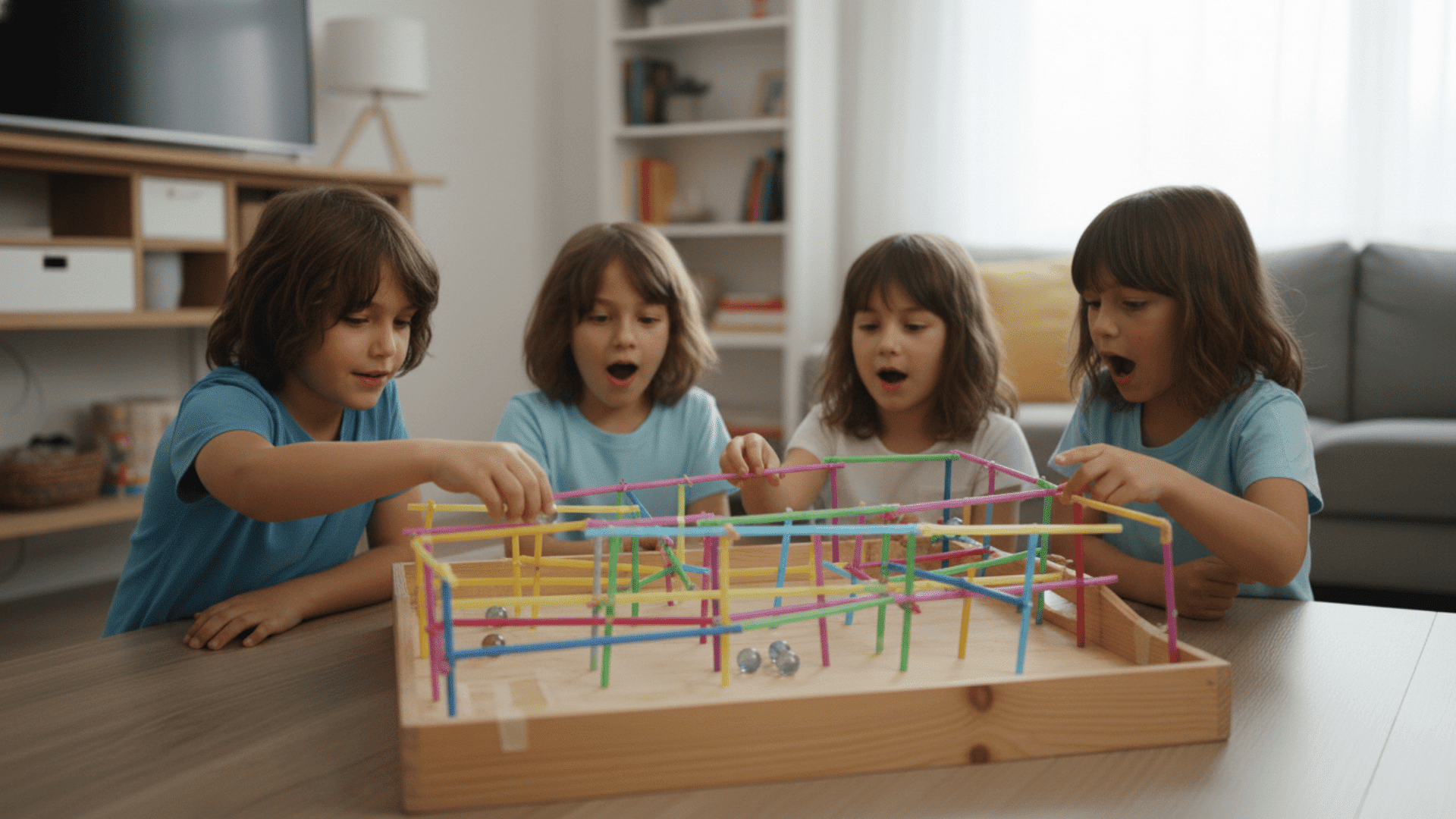
Design a path for marbles using items glued to a tray or cardboard.
What you need: A shallow box lid or cardboard piece, straws or popsicle sticks, glue, and marbles. Masking tape works instead of glue for easier changes.
How to build: Cut straws or arrange popsicle sticks on the tray. Glue or tape them down to create walls and paths. Make dead ends, turns, and tunnels.
Playing the game: Tilt the tray to roll the marble through the maze. Try to reach the end without the marble getting stuck. Time for each attempt.
Design challenges: Create a maze with multiple paths. Add a starting point and finish line. Make obstacles that the marble must avoid.
Reusable option: Use tape instead of glue. Kids can redesign the maze whenever they want. Different mazes create different challenges and keep the activity fresh.
20. Lego Color and Size Sorting
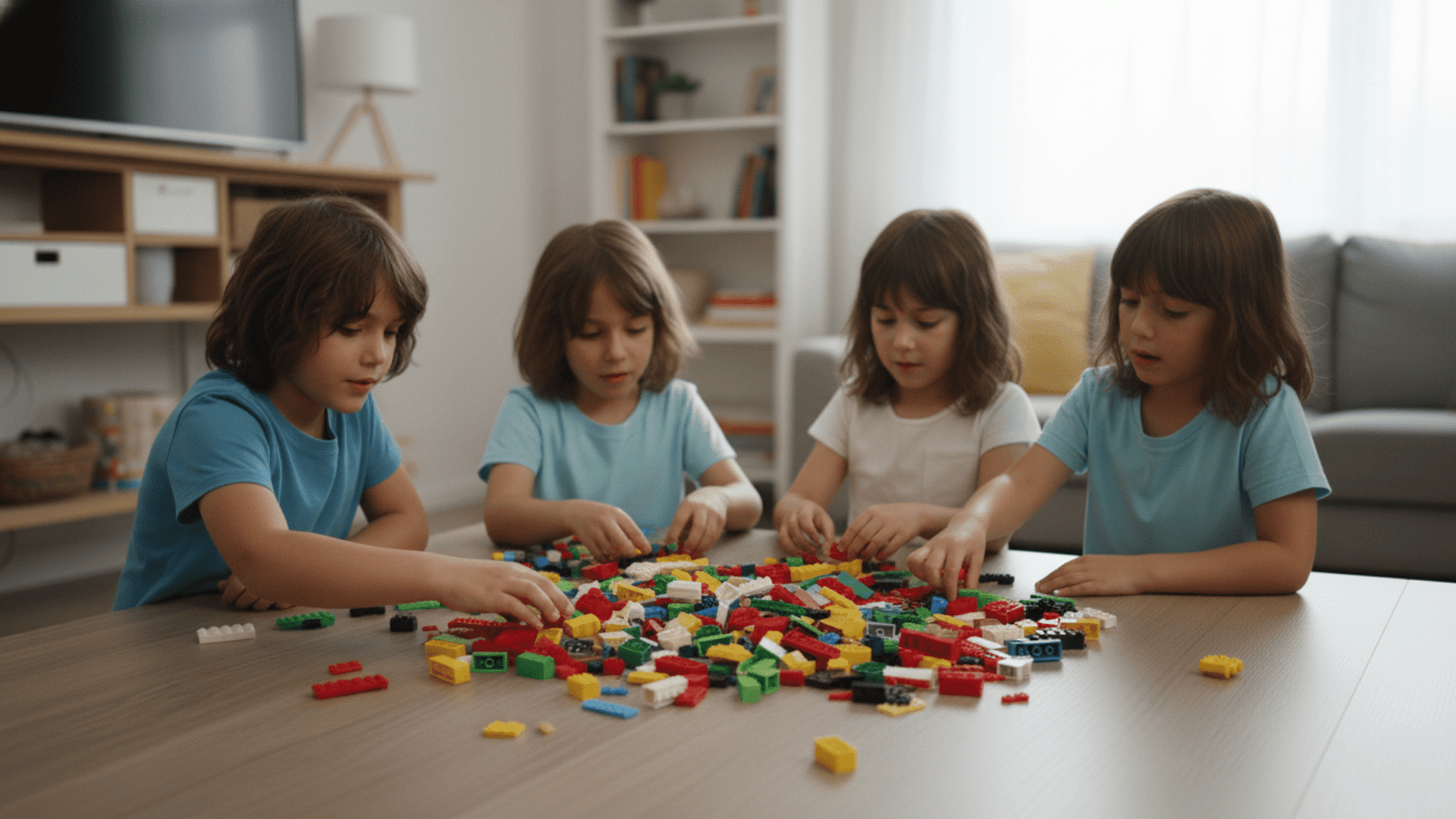
Sorting builds math skills. Legos make it fun. Kids organize pieces by different attributes.
What to sort: Dump out a container of mixed Legos. No instructions needed. Any Lego collection works for this activity.
Sorting methods: Sort by color first. Then try sorting by size. Next, sort by shape or number of dots on top. Each sorting rule creates different groups.
Math concepts: Counting pieces in each group. Comparing which color has more or fewer pieces. Making patterns with sorted pieces.
Extension activities: Build something using only one color. Create a tower using pieces from smallest to largest. Make a pattern like red-blue-red-blue with sorted pieces.
Cleanup bonus: Sorting makes cleanup easier. Store sorted pieces in separate bags or containers. Building gets easier when pieces are organized.
21. Simple Magnet Exploration
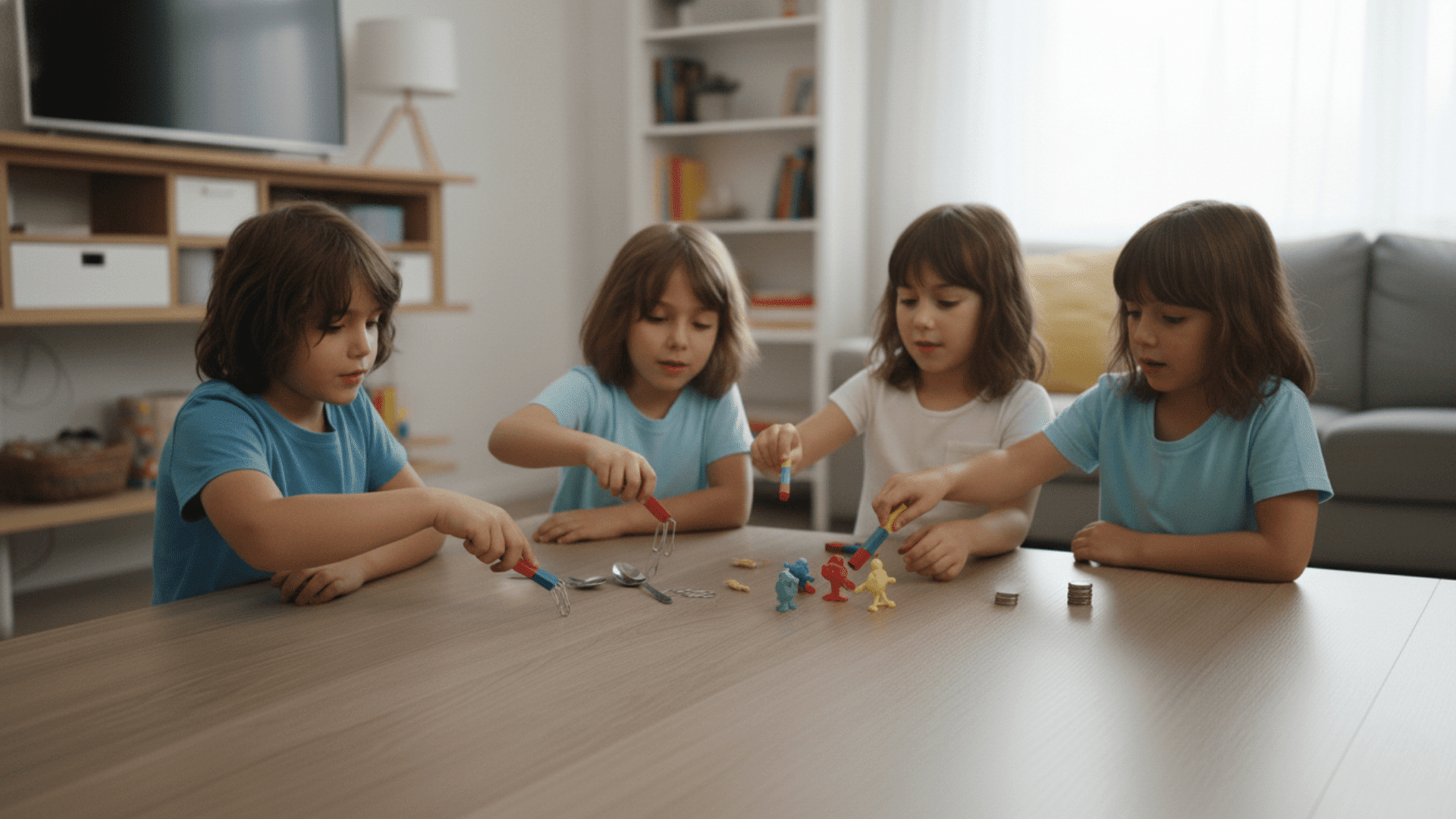
Magnets fascinate kids. Let them test what sticks and what doesn’t.
Gather materials: A magnet (fridge magnets work), metal items like paper clips and spoons, non-metal items like plastic toys and wooden blocks, and a collection container.
The experiment: Kids test each item with the magnet. Does it stick or not? Sort items into two piles based on the results.
Discovery questions: What do items that stick have in common? They’re all metal. Do all metals stick? Test aluminum foil versus a steel spoon to see the differences.
Magnet games: Use magnets to move paper clips across a table surface. Try moving clips through paper or thin cardboard. See if magnets work through water.
Safety note: Keep strong magnets away from young kids who might swallow them. Use weaker fridge magnets for toddlers. Supervise all magnet play with small pieces.
22. Blanket Fort Building
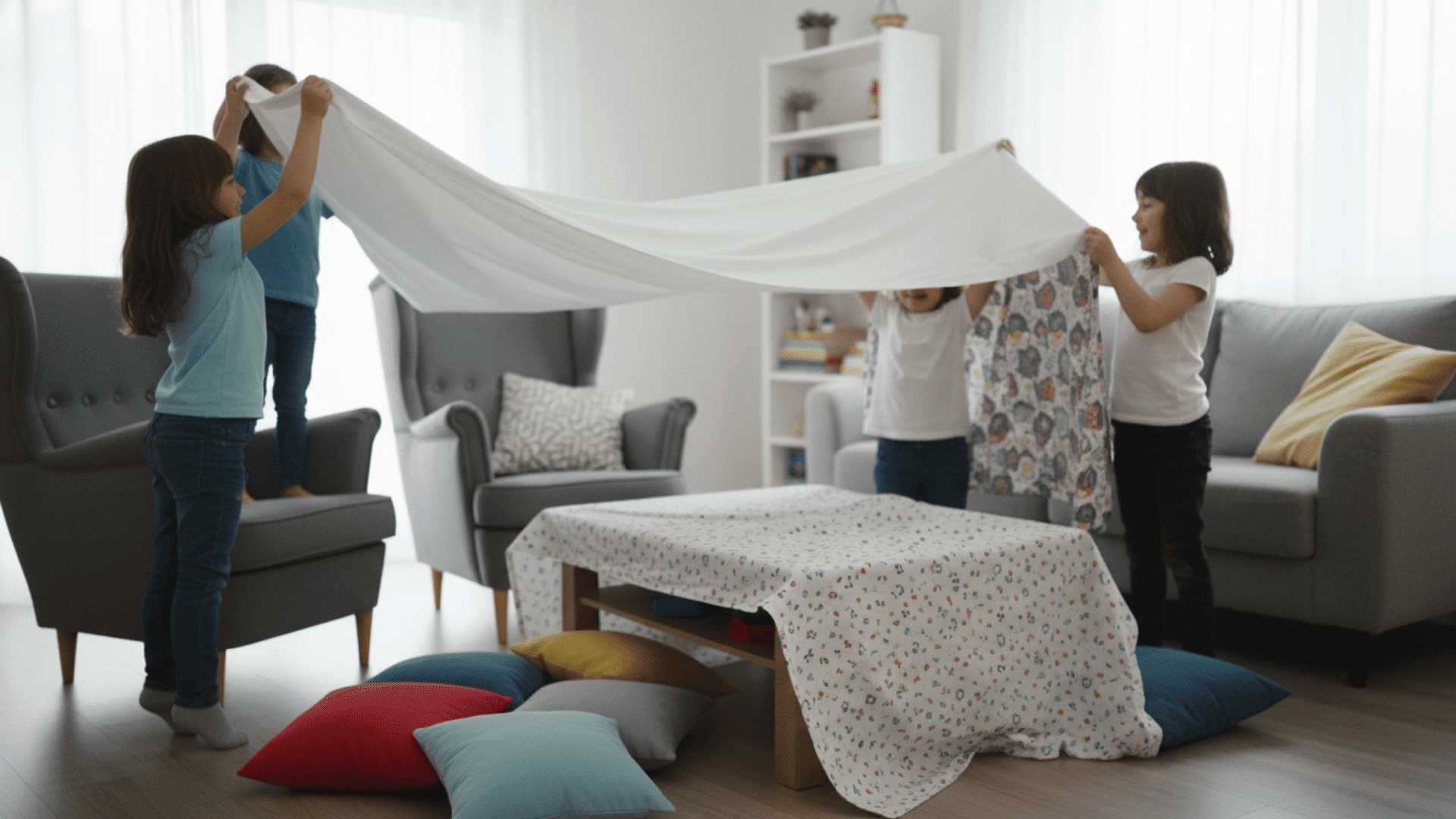
Every kid needs a fort. Blankets, sheets, and pillows create cozy hideaways in minutes.
Basic setup: Drape blankets over furniture like chairs, tables, or couches. Use heavy books or cushions to hold edges down. Add pillows inside for comfortable seating.
Fort designs: Make a simple tent between two chairs. Create a tunnel fort under the dining table. Build a multi-room fort using different furniture pieces connected together.
What to do inside: Read books with a flashlight. Play quiet games. Have a snack picnic. Tell stories. The fort becomes a special space for any activity.
Building together: Let kids make design decisions. Where should the entrance go? How many rooms do they want? Building the fort is half the fun.
Leave it up: Forts can stay up for days. Kids return to play multiple times. The space becomes their own little retreat area.
23. Restaurant Role Play
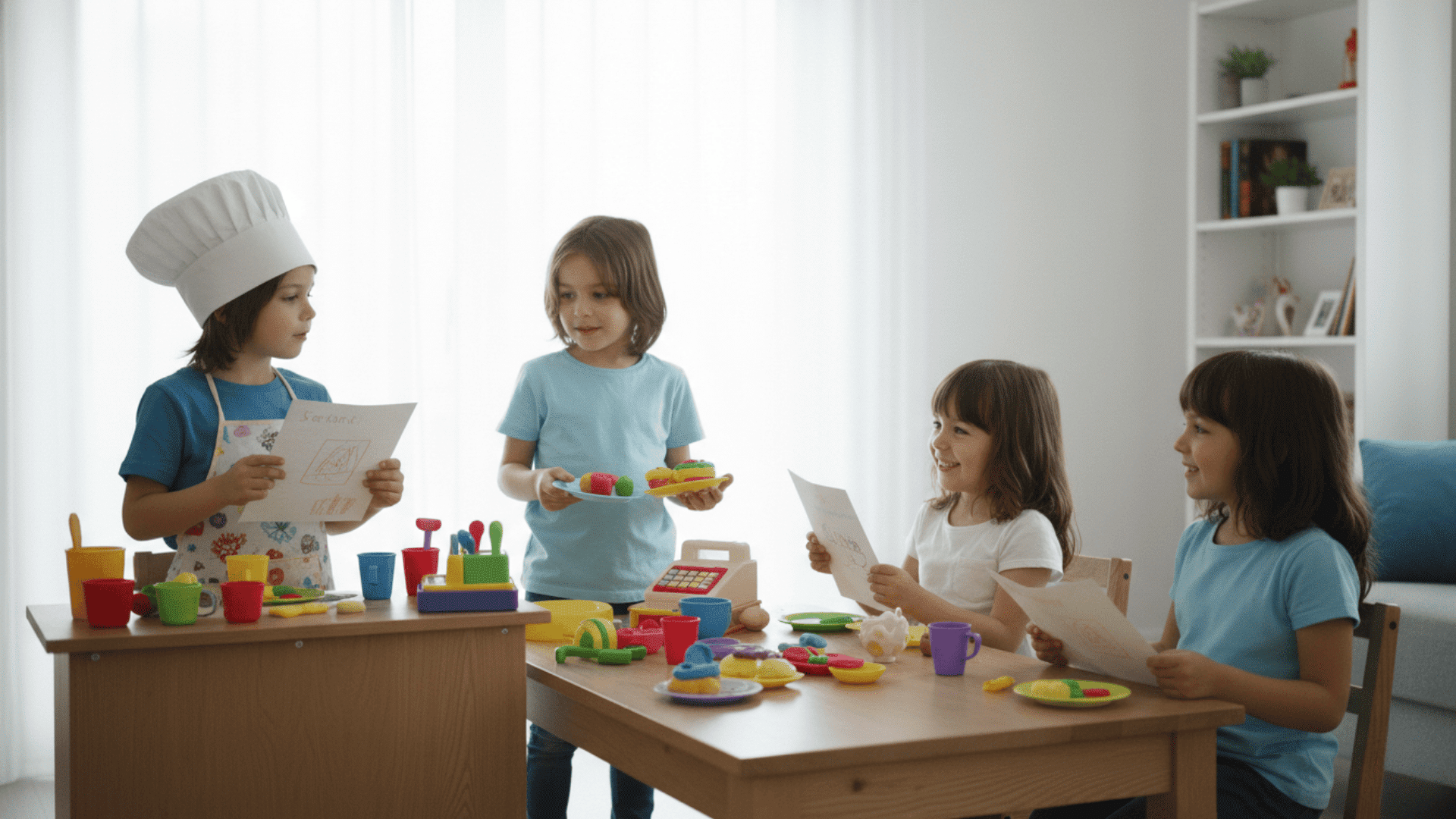
Kids love playing restaurant. One person cooks and serves. Others become hungry customers.
Setup needs: Paper for menus, play food or pretend ingredients, plates and cups, a table for dining, and notepads for taking orders. Aprons add extra realism.
How to play: Kids create a menu with food names and prices. Customers sit down and order from the menu. The chef prepares pretend food. The server brings it to the table.
Menu ideas: Draw pictures of food if kids can’t write yet. Use favorite foods or silly made-up dishes. Set pretend prices like five dollars or ten coins.
Learning happens: Kids practice writing menus. They work on math with money. Taking orders teaches listening and memory skills. Social skills develop through role-playing.
Switch roles: Let everyone take turns being the chef, server, and customer. Different roles teach different skills and keep the game interesting.
24. Doctor or Vet Pretend Play
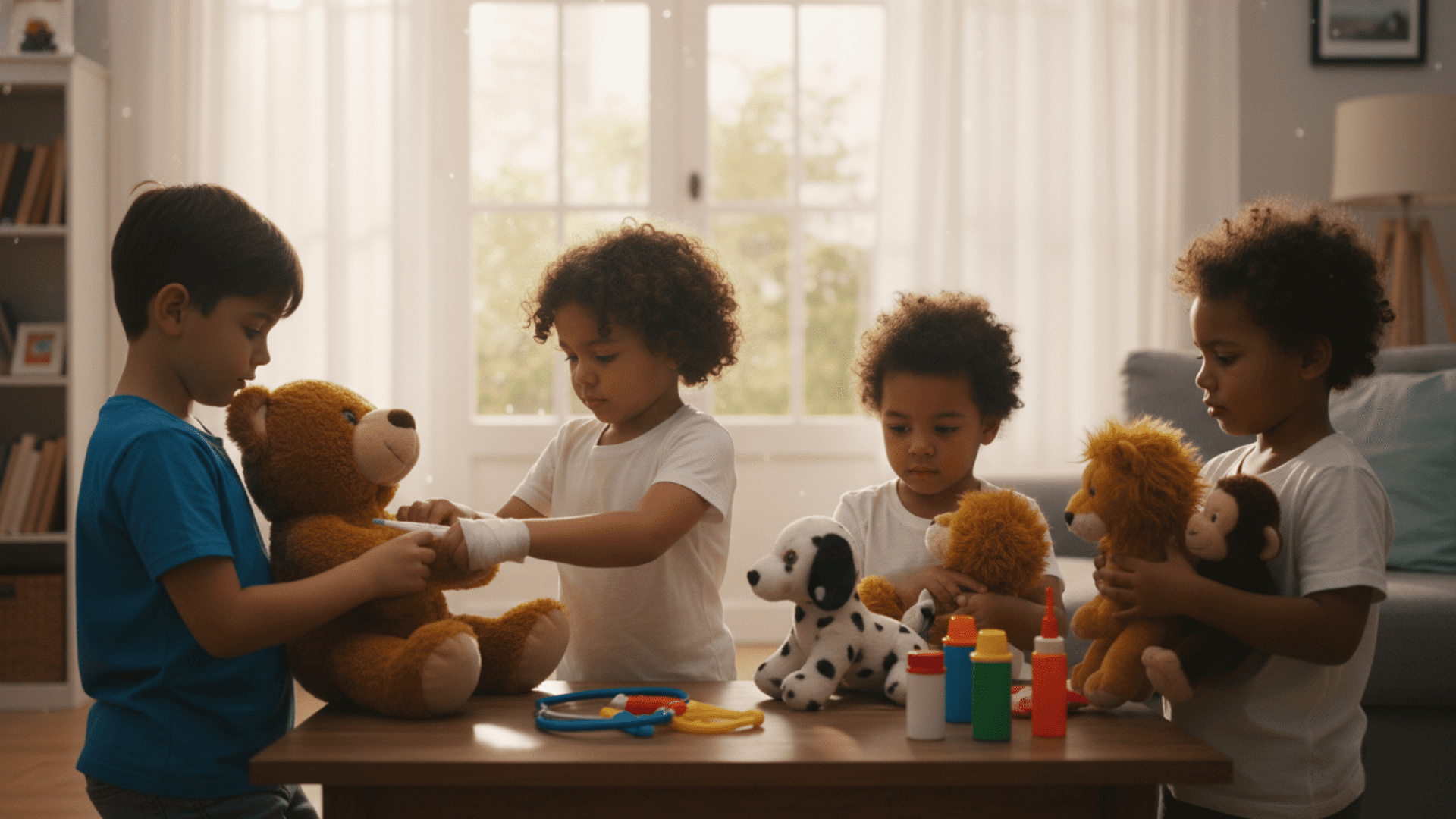
Caring for patients teaches empathy. Kids examine stuffed animals or dolls as their patients.
Doctor kit items: Bandages, play stethoscope, cotton balls, tape, toy thermometer, and empty medicine bottles. Many items come from your bathroom cabinet safely.
Setting up: Create a waiting room with chairs. Make an exam table from a bed or couch. Set up supplies on a nearby table or tray.
How it works: Stuffed animals become sick patients. Kids check symptoms, give medicine, and wrap bandages. They talk to patients gently and explain what they’re doing.
Vet version: Same game but with animal patients. Kids can diagnose imaginary pet problems. They might check paws, look at ears, or give shots to toy animals.
Why it matters: Kids process real doctor visits through play. They work through fears. The game builds nurturing behavior and problem-solving as they figure out how to help each patient.
25. Puppet Show Creation
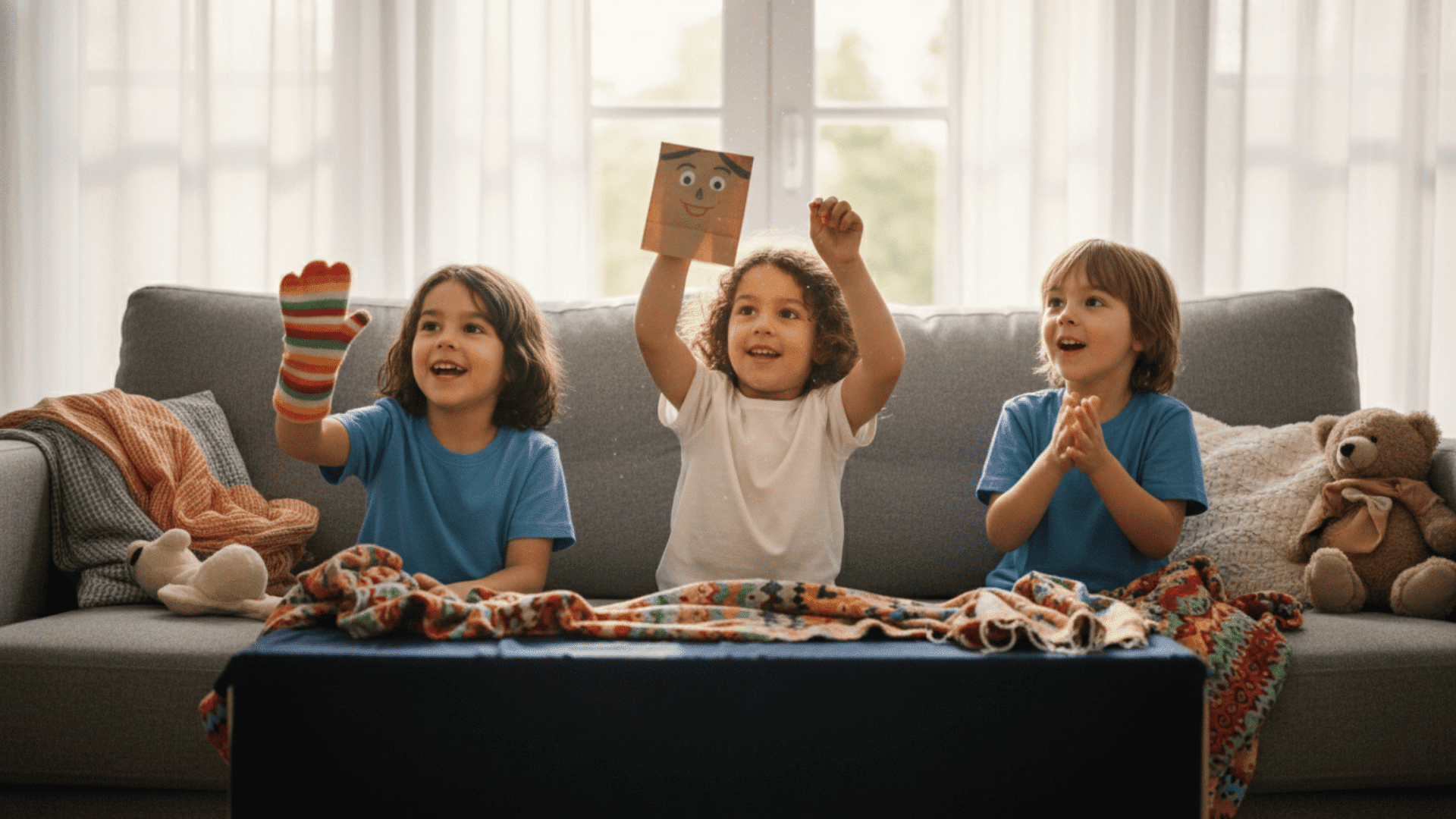
Puppets bring stories to life. Kids create characters and perform shows for family audiences.
Making puppets: Use socks, paper bags, or popsicle sticks as bases. Add googly eyes, yarn for hair, and markers for faces. Simple puppets work just as well as fancy ones.
Stage options: Hide behind a couch and hold puppets up above it. Cut a window in a large cardboard box. Drape a sheet across a doorway and perform from behind.
Creating shows: Kids make up stories as they go. Or they retell favorite books. Encourage them to give each puppet a different voice.
Audience time: Family members sit and watch the show. Applaud and ask questions after. Taking a bow makes kids feel proud of their performance.
Keep puppets handy: Store finished puppets in a box. Kids can put on new shows anytime without making puppets again. These indoor activities for kids provide weeks of entertainment.
Conclusion
Bad weather doesn’t mean bad days anymore. Theseinside activities for kids turn any indoor time into fun, learning, and movement.
You now have ideas across six categories. Pick activities that match your kids’ ages and moods. Most use items you already own. Setup takes minutes.
The best part? These activities grow with your children. A three-year-old and an eight-year-old can both enjoy obstacle courses or craft time. Just adjust difficulty as needed.
Next rainy day, you’re ready. Choose an activity. Grab your supplies. Watch boredom disappear.
What will you try first?
Share your favorite indoor activity in the comments below. And bookmark this page for the next time you hear “I’m bored!”