
Your child just started first grade. Now comes the real challenge: learning to read and spell.
First-grade spelling words are the building blocks of literacy. They help young learners connect sounds to letters. They build confidence in reading and writing. Most importantly, they make learning fun when taught the right way.
But here’s the problem. Many parents don’t know where to start. Which words should a first grader learn? How many words are enough? What’s the best way to practice?
This guide solves that problem.
You’ll get a complete list of first-grade spelling words organized by skill level. We’ve grouped them into short patterns, blended sounds, silent-e words, sight words, and challenge words. Each category builds on the last one.
By the end of this article, you’ll know exactly which words to teach, and your child will be spelling with confidence.
1. Short Word Pattern Spelling Words
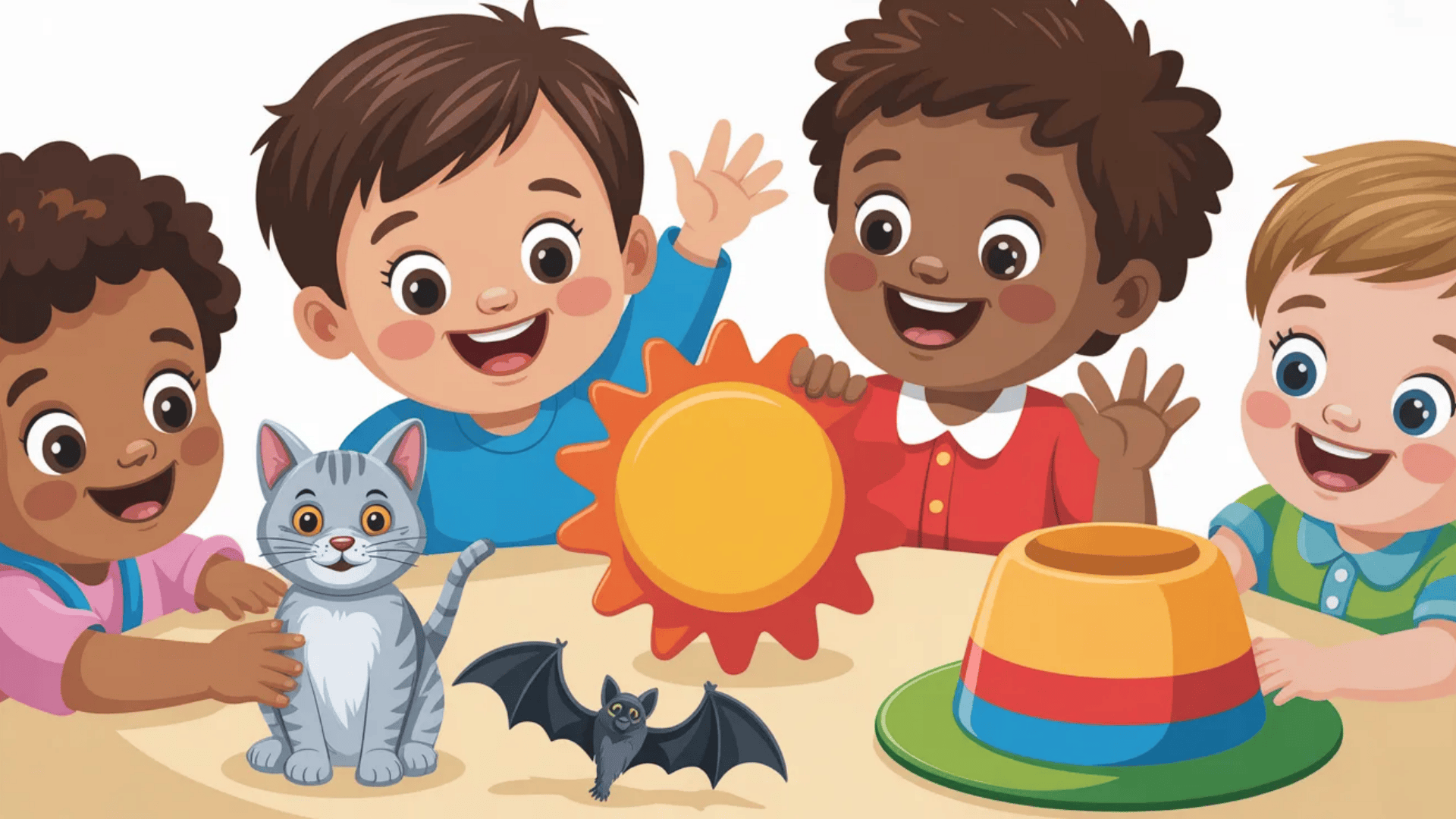
CVC words are the starting point for first-grade spelling. CVC stands for consonant, vowel, consonant. These three-letter words teach children how to blend sounds together.
Why start here? CVC words are simple. Kids can sound them out easily. Each letter makes one clear sound.
Here are the CVC words your first grader should learn:
- cat
- bat
- hat
- mat
- rat
- sat
- dog
- log
- fog
- hog
- pen
- hen
- ten
- men
- sun
- run
- fun
- bun
- map
- cap
- tap
- nap
- pig
- big
- dig
Practice these words in word families. Group words that rhyme together. Teach cat, bat, hat in one session. This helps children see patterns.
2. Blended Sound Word Lists
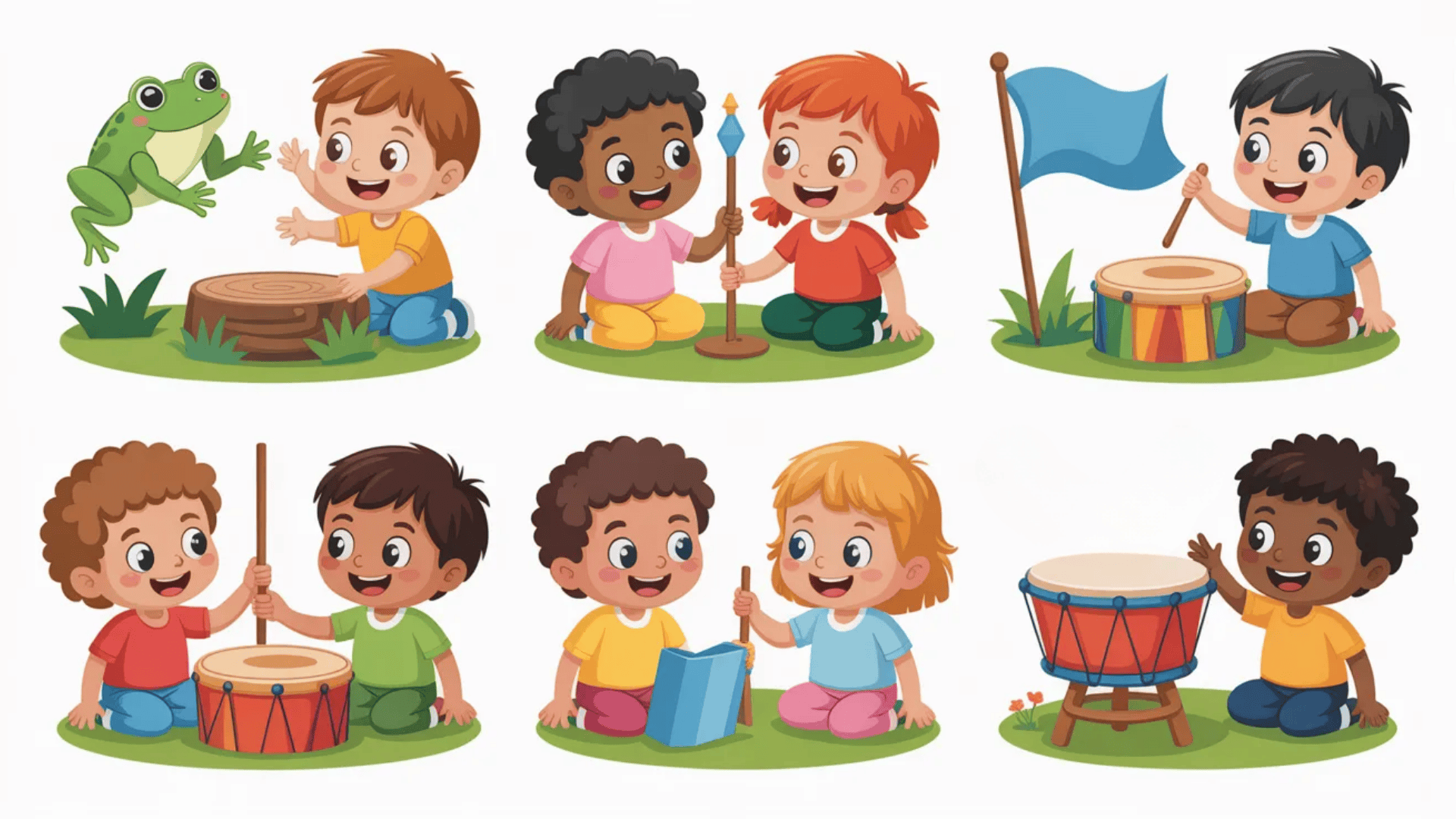
Blended sound words take spelling to the next level. These words combine two consonants at the start or end. Children learn to hear connected sounds and spell them correctly.
Common blends include bl, cl, cr, st, sn, sw, sl, gl, dr, and fr. Each blend creates a smooth sound when spoken.
Here are the blended sound words for first grade:
- blue
- black
- flag
- clap
- crab
- clip
- stop
- step
- star
- spin
- skip
- snap
- snack
- swim
- sled
- slip
- glad
- drop
- drum
- frog
Practice blends by saying them slowly at first. Point to each letter as your child sounds it out. Then speed up until the word flows naturally.
3. Silent-e and Long Vowel Words
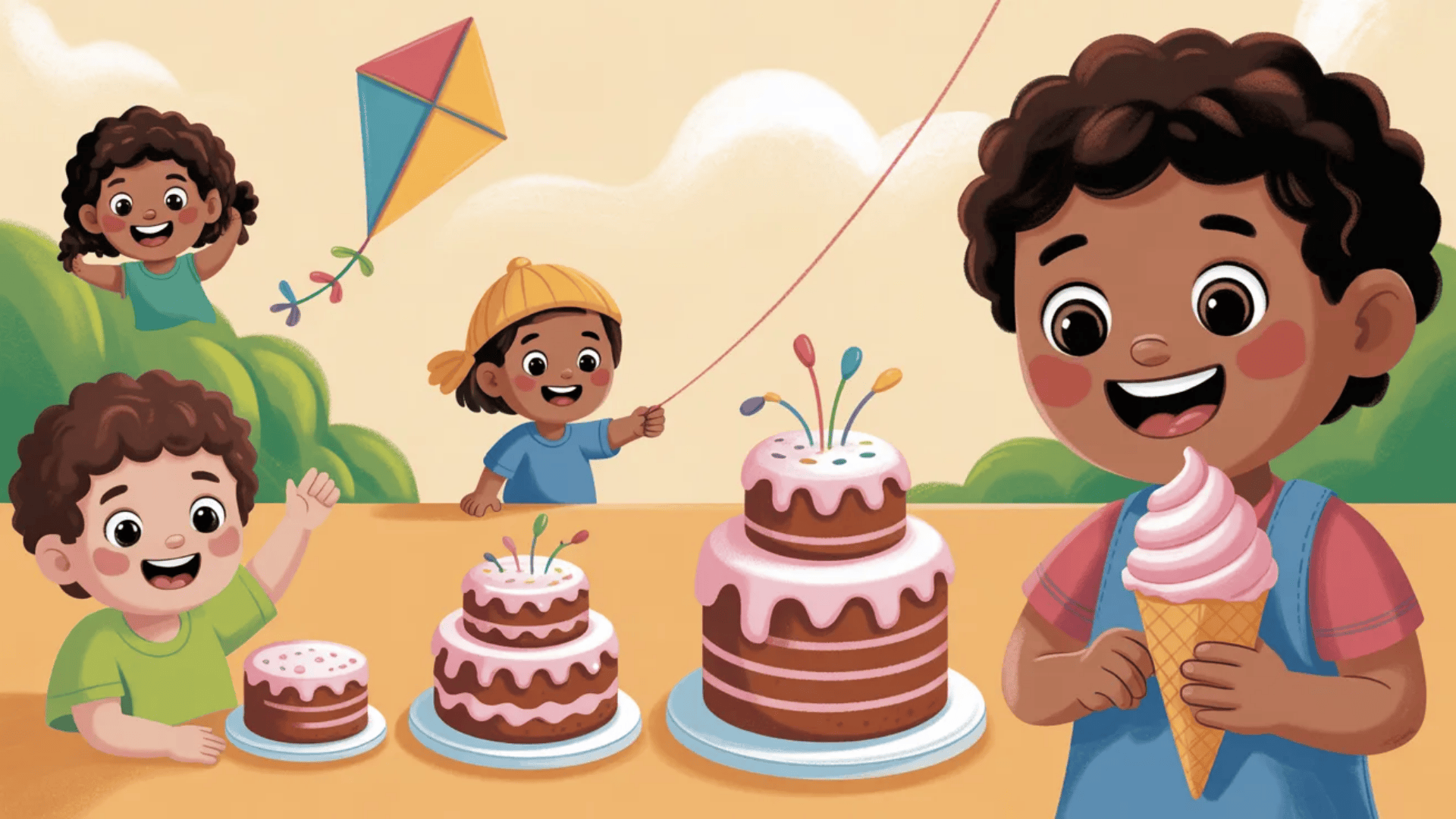
Silent-e words introduce a new spelling rule. When you add an e to the end of a word, the vowel says its name. This is called the magic-e rule.
For example, cap becomes cape. Kit becomes kite. The vowel sound changes from short to long.
Here are the silent-e and long vowel words for first grade:
- cake
- make
- take
- lake
- name
- game
- same
- bike
- like
- hike
- kite
- time
- home
- hope
- note
- rope
- bone
- cone
- cute
- mule
Teach this pattern by comparing short and long vowel words. Show how adding the silent-e changes the sound completely.
4. Common High-Frequency Words
High-frequency words appear in almost every book your child reads. These are also called sight words. Children should memorize them because they don’t always follow spelling rules.
Learning these words helps kids read faster and with more confidence. They stop struggling with common words and focus on new vocabulary instead.
Here are the high-frequency words for first grade:
- the
- and
- you
- are
- was
- she
- he
- we
- they
- see
- can
- have
- has
- had
- said
- for
- with
- this
- that
- from
- what
- when
- who
- how
- all
- but
- not
- some
- were
- there
- here
- my
- your
- his
- her
- our
Practice these words daily using flashcards or writing exercises.
5. Spelling Bee or Challenge Words

Challenge words push first graders beyond basic patterns. These words are longer and slightly harder. They prepare children for spelling bees and second-grade vocabulary.
Not every first grader will master these words right away. That’s okay. Use them for extra practice with advanced learners or save them for later in the school year.
Here are the challenge words for first grade:
- about
- would
- could
- people
- water
- today
- away
- again
- because
- school
- every
- little
- before
- after
- never
- teacher
- brother
- sister
- mother
- father
Introduce one or two challenge words per week. Review them regularly until your child feels comfortable.
Conclusion
Learning first-grade spelling words takes time and consistent practice. This guide covers everything your child needs for a strong foundation in reading and writing.
Start with short CVC words. Move to blended sounds. Then introduce silent-e patterns and sight words. Save the challenge words for when your child feels ready.
Remember that every child learns at their own pace. Some will master these words quickly. Others need more time. Both paths are normal.
Practice a little bit every day. Use games and activities to keep your child interested. Celebrate small wins along the way.
With this complete list, you have everything needed to support your child’s literacy growth. Start today and watch their confidence grow.